资讯 / 正文
【*高考英语*】2026届天津市高考英语真题第一次(3月考) — 阅读理解C篇(图示助解法) — 题型专项 — (天津真题)
2026届 天津市高考真题
第一次(3月考)
题型专项
阅 读 理 解(C篇)
2026届天津市高考真题
第一次(3月考)
阅 读 理 解(C篇)
【解 析】
文章主要讲述了科研团队以鱼类群游误报警行为为切入点,探究自然界错误信息的形成机制与生物的应对策略。
【45题详解】
细节理解题。根据第二段中“But Andrew Hein, a computational biologist from Cornell, was struck by how often a fish got things wrong. “It’s safe,” he said. “But all of a sudden, it will just flee for its life. Soon many fish are trying to escape together, from nothing.”(但来自康奈尔大学的计算生物学家安德鲁·海因被鱼类频繁出错的现象震惊了。他说,明明环境很安全,可突然之间,一条鱼就会拼命逃窜,很快大量鱼群就会跟着一起逃跑,而实际上根本没有任何威胁存在)”可知,安德鲁·海因通过观察发现,鱼群经常会在没有实际威胁的情况下,因为虚假警报就集体逃窜。故选B项。
【46题详解】
细节理解题。根据第三段中“The observation inspired Dr. Hein and his colleagues to investigate how information in the natural world can turn into misinformation. They developed mathematical models to estimate the accuracy of the beliefs of an organism (有机体) and the extent to which information from other organisms changes their beliefs.(这一观察启发海因博士和他的同事们去研究自然界中的信息是如何转变为错误信息的。他们搭建了数学模型,用来估算生物自身认知的准确程度,以及来自其他生物的信息能在多大程度上改变它们的原有认知)”可知,海因博士和他的同事的研究核心,是错误信息从正常信息演变而来的完整形成过程。故选C项。
【47题详解】
推理判断题。根据第六段中“Dr. Hein, however, believes that fish reacting to too many false alarms can risk their survival. “The cost isn’t missing one lunch. It’s missing all lunches.”(然而海因博士认为,鱼类对过多虚假警报做出反应,会直接威胁到自身的生存。“这种代价不是错过一顿饭,而是错过所有的饭。”)”可知,海因博士说出这句话,是为了反驳此前学界认为虚假警报只是小麻烦的观点,着重强调虚假警报给鱼类带来的生存层面的严重危害。故选D项。
【48题详解】
推理判断题。根据倒数第三段中“Walter Quattrociocchi, an Italian data scientist, who was not involved in the study, agreed. “It shows that misinformation is not an odd thing or a moral failure, but a structural consequence of communication systems operating under noise, limited context and imperfect decoding (解码).”(未参与本次研究的意大利数据科学家沃尔特·夸特罗乔奇完全认同这一结论。“这项研究表明,错误信息不是反常现象,也不是道德层面的失败,而是在噪音干扰、语境有限、解码不完善的条件下运行的通信系统所产生的结构性必然结果。”)”可知,沃尔特·夸特罗乔奇认为,在所有运行条件都不完美的通信系统里,错误信息是不可避免的产物。故选B项。
【49题详解】
推理判断题。根据倒数第二段中“In his research, Dr. Hein found that fish don’t deal with misinformation by getting smart and they don’t fact-check each signal they receive from other fish. When the animals swim in small groups, they are highly responsive to the movements of the fish around them. But in bigger groups, their brains become less sensitive. It takes the movement of many more fish to get them moving.(海因博士在他的研究中发现,鱼类应对错误信息的方式不是变得更聪明,也不会逐一核实从其他同伴那里接收到的每一个信号。当它们在小群体里游动时,会对周围同伴的动作做出极高的反应灵敏度;但当鱼群规模变大之后,它们的大脑敏感度就会随之降低,需要更多同伴同时做出动作,才会触发它们的逃窜反应)”可知,鱼类对抗错误信息的核心逻辑,是根据群体规模主动调整自身对外界信息的敏感程度,我们完全可以借鉴这一机制,通过主动调节自身对各类信息的反应灵敏度,来阻断错误信息的传播。故选A项。
========================
【原 题】
C
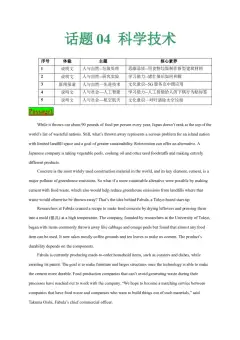
Fish staying in large groups enjoy advantages that they lack on their own. For instance, when one fish notices a threat, it suddenly darts (猛冲) in a new direction. That information quickly spreads through the whole school, which can then escape together.
But Andrew Hein, a computational biologist from Cornell, was struck by how often a fish got things wrong. “It’s safe,” he said. “But all of a sudden, it will just flee for its life. Soon many fish are trying to escape together, from nothing.”
The observation inspired Dr. Hein and his colleagues to investigate how information in the natural world can turn into misinformation. They developed mathematical models to estimate the accuracy of the beliefs of an organism (有机体) and the extent to which information from other organisms changes their beliefs.
Exploring these models, they came to the conclusion that misinformation is probably fundamental to all communication systems in the natural world.
Previously, some biologists looked at misinformation as a minor annoyance. If a fish darts away for no reason, it loses some time it could have spent eating. But that’s a small cost, outweighed by the benefit of being able to escape predators.
Dr. Hein, however, believes that fish reacting to too many false alarms can risk their survival. “The cost isn’t missing one lunch. It’s missing all lunches.”
Walter Quattrociocchi, an Italian data scientist, who was not involved in the study, agreed. “It shows that misinformation is not an odd thing or a moral failure, but a structural consequence of communication systems operating under noise, limited context and imperfect decoding (解码).”
The threat of misinformation has led to the development of defenses against it. In his research, Dr. Hein found that fish don’t deal with misinformation by getting smart and they don’t fact-check each signal they receive from other fish. When the animals swim in small groups, they are highly responsive to the movements of the fish around them. But in bigger groups, their brains become less sensitive. It takes the movement of many more fish to get them moving.
“We clearly need more ideas for how to cope with misinformation as a social species,” Dr. Hein said. “Maybe it’s possible to find some if we look at other species.”
45. What did Andrew Hein find through his observation of fish?
A. Fish are good communicators.
B. Fish may flee upon false alarms.
C. Fish have a good sense of direction.
D. Fish can hardly survive in small groups.
46. What did the investigation of Dr. Hein and his colleagues focus on?
A. Mathematical models of misinformation.
B. The identification of misinformation.
C. The formation of misinformation.
D. Threats posed by misinformation.
47. By saying “It’s missing all lunches,” Dr. Hein intends to ________.
A. confirm a previous finding
B. present new evidence
C. clarify a definition
D. stress an argument
48. Which statement would Walter Quattrociocchi most likely agree with?
A. Information decoding is vital to a communication system.
B. Misinformation is unavoidable in imperfect communication systems.
C. Moral failure does not necessarily lead to misinformation.
D. Misinformation may severely weaken a communication system.
49. Based on Dr. Hein’s research findings, what could we do to stop misinformation?
A. Adjust our sensitivity to information.
B. Fact-check information thoroughly.
C. Reduce information exchange.
D. Improve our intelligence.
参 考 答 案
Keys:
45.B 46.C 47.D 48.B 49.A
【相关链接】
【 2026届 】
【*高考英语*】2026届天津市高考英语真题第一次(3月考) — 完形填空(图示助解法) — 题型专项 — (天津高考真题)
【 2025届 】
【*高考英语*】2025届天津市高考英语真题第一次(3月考) — 完形填空(图示助解法) — 题型专项 — (天津高考真题)
【*高考英语*】2025年天津市高考英语真题第一次(3月考) — 阅读理解C篇(图示助解法) — 题型专项 — (天津高考真题)
【*高考英语*】2025年天津市高考英语真题第一次(3月考) — 阅读理解D篇(图示助解法) — 题型专项 — (天津高考真题)
【*高考英语*】2025届天津市高考英语真题第一次(3月考) — 阅读表达(图示助解法) — 题型专项 — (天津高考真题)
【*高考英语*】2025届天津市高考英语真题第二次(6月考) — 完形填空(图示助解法) — 题型专项 — (天津高考真题)
【*高考英语*】2025年天津市高考英语真题第二次(6月考) — 阅读理解C篇(图示助解法) — 题型专项 — (天津高考真题)
【*高考英语*】2025年天津市高考英语真题第二次(6月考) — 阅读理解D篇(图示助解法) — 题型专项 — (天津高考真题)
【 2024届 】
【*高考英语*】2024年天津市高考英语真题第一次(3月考) — 阅读理解B篇(图示助解法) — 题型专项 — (天津高考真题)
【*高考英语*】2024年天津市高考英语真题第一次(3月考) — 阅读理解C篇(图示助解法) — 题型专项 — (天津高考真题)
【*高考英语*】2024年天津市高考英语真题第一次(3月考) — 阅读理解D篇(图示助解法) — 题型专项 — (天津高考真题)
【2019—2023届 "高考真题"系列】
【 2023届 】
【*高考英语*】2023年天津市高考英语真题第一次(3月考) — 完形填空(图示助解法) — 题型专项 — (天津高考真题)
【*高考英语*】2023年天津市高考英语真题第一次(3月考) — 阅读理解C篇(图示助解法) — 题型专项 — (天津高考真题)
【*高考英语*】2023年天津市高考英语真题第一次(3月考) — 阅读理解D篇(图示助解法) — 题型专项 — (天津高考真题)
【*高考英语*】2023年天津市高考英语真题第二次(6月考) — 完形填空(图示助解法) — 题型专项 — (天津高考真题)
【*高考英语*】2023年天津市高考英语真题第二次(6月考) — 阅读理解C篇(图示助解法) — 题型专项 — (天津高考真题)
【*高考英语*】2023年天津市高考英语真题第二次(6月考) — 阅读理解D篇(图示助解法) — 题型专项 — (天津高考真题)
【 2022届 】
【*(最新)高考真题*】2022年天津市高考英语真题第二次考试 — 完形填空(图示助解法) — 题型专项 — (天津高考真题)
【*(最新)高考真题*】2022年天津市高考英语真题第二次考试 — 阅读理解C篇(图示助解法) — 题型专项 — (高考真题)
【*(最新)高考真题*】2022年天津市高考英语真题第二次考试 — 阅读理解D篇(图示助解法) — 题型专项 — (高考真题)
【*(最新)高考真题*】2022年天津市高考英语真题第二次考试 — 阅读表达(图示助解法) — 题型专项 — (天津高考真题)
【2021届】
【*高考英语*】2021年天津市高考英语真题第一次考试(3月考) — 完形填空(图示助解法) — 题型专项 — (天津高考真题)
【*高考英语*】2021年天津高考英语真题第一次考(3月考) — 阅读理解C篇(图示助解法) — 题型专项 — (天津高考真题)
【*高考英语*】2021年天津高考英语真题第一次考试(3月考) — 阅读理解D篇(图示助解法) — 题型专项 — (天津高考)
【*高考英语*】2021年天津市高考英语真题第一次考试(3月考) — 阅读表达(图示助解法) — 题型专项 — (天津高考真题)
【*高中英语*】2021年天津市高考英语真题第二次考试(6月考) — 完形填空(图示助解法) — 题型专项 — (天津高考真题)
【*高考英语*】2021年天津市高考英语真题第二次考试(6月考) — 阅读理解B篇(图示助解法) — 题型专项 — (高考真题)
【*高考英语*】2021年天津市高考英语真题第二次考试(6月考) — 阅读理解C篇(图示助解法) — 题型专项 — (高考真题)
【*高考英语*】2021年天津市高考英语真题第二次考试(6月考) — 阅读理解D篇(图示助解法) — 题型专项 — (高考真题)
【*高考英语*】2021年天津市高考英语真题第二次考试(6月考) — 阅读表达(图示助解法) — 题型专项 — (天津高考真题)
【2020届】
【*高考英语*】2020年天津市高考英语真题第一次考试 — 完形填空(图示助解法) — 题型专项 — (天津高考真题)
【*高考英语*】2020年天津市高考英语真题第一次考试 — 阅读理解B篇(图示助解法) — 题型专项 — (天津高考真题)
【*高考英语*】2020年天津市高考英语真题第一次考试 — 阅读理解C篇(图示助解法) — 题型专项 — (天津高考真题)
【*高考英语*】2020年天津市高考英语真题第一次考试 — 阅读理解D篇(图示助解法) — 题型专项 — (天津高考真题)
【*高考英语*】2020年天津市高考英语真题第一次考试 — 阅读表达(图示助解法) — 题型专项 — (天津高考真题)
【2019届】
【*高考真题*】2019年天津市高考英语真题(6月考) — 完形填空(图示助解法) — 题型专项 — 天津高考
【*高考真题*】2019年天津市高考英语真题(6月考) — 阅读理解B篇(图示助解法) — 题型专项 — 天津高考
【*高考真题*】2019年天津市高考英语真题(6月考) — 阅读理解C篇(图示助解法) — 题型专项 — 天津高考
【*高考真题*】2019年天津市高考英语真题(6月考) — 阅读理解D篇(图示助解法) — 题型专项 — 天津高考
相关文档
- 2025年高考英语真题题源解密(新高考通用)专题03阅读理解C篇解析版
- 2024年高考英语真题题源解密(新高考通用)英语专项复习专题03阅读理解C篇(原题版)
- 英语专题13阅读理解(C篇)(学生版)
- 2025年高考英语真题题源解密专项复习:专题03阅读理解C篇(原题版,新高考通用)
- 2025年高考英语真题题源解密(新高考通用)专项复习 专题03阅读理解C篇 原题版
- 英语专题13阅读理解(C篇)(教师版)
- 2025年高考英语真题题源解密新高考通用 专项复习 专题03阅读理解C篇 教师版
- 阅读理解英语阅读各题型及解法汇总
- 2024年高考英语新课标卷真题深度解析与考后提升专项复习阅读理解C篇新课标I卷解析版
- 2024年高考英语新课标II卷真题深度解析与考后提升 专题14阅读理解C篇原卷版 专项复习
- 2024高考英语一轮复习语篇理解·阅读理解词句猜测题
- 2024年高考英语新课标卷真题深度解析与考后提升 专题14阅读理解C篇(2024年新课标II卷)解析版
- 2024年高考英语新课标卷真题深度解析与考后提升专项复习专题04阅读理解C篇新课标I卷原卷版
- 2025年高考英语阅读理解A篇应用文真题题源解密解析版(新高考通用)
- 2024高考英语临考题号押题新高考卷第28至31题阅读理解C篇说明文原卷版
- 2025年高考英语真题题源解密阅读理解A篇应用文原题版(新高考通用)
- 2027届高考英语三轮复习 全国卷真题考前分类集训 阅读理解A篇答案
- 2024年高考英语真题题源解密新高考通用专题04阅读理解D篇说明文解析版
- 2025年高考英语真题题源解密新高考通用 专题04阅读理解D篇说明文解析版
- 人教版九年级全册英语专题13阅读理解C篇学生版专项练习
- 2024年高考英语真题题源解密新高考通用专题04阅读理解D篇说明文(原题版)
- 2027届高考英语三轮复习全国卷真题考前分类集训 阅读理解D篇练习
- 2027届高考英语三轮复习全国卷真题考前分类集训 阅读理解D篇答案
- 2024年新课标I卷高考英语真题深度解析与考后提升:阅读理解A篇专题02解析版
- 2027届高考英语三轮复习全国卷真题考前分类集训 阅读理解B篇练习
- 2023高考英语阅读理解考前预测交通旅游专题11
- 2023高考英语阅读理解考前预测策略感悟专题07
- 2023高考英语阅读理解考前预测健康饮食专题03
- 七年级英语上册第一次月考复习之阅读理解20篇江苏名校真题
- 人教版九年级全册英语专题13阅读理解C篇教师版专项练习
- 2025年高考英语真题题源解密(新高考通用)专题04 阅读理解D篇(说明文)教师版
- 高考英语阅读理解秒杀技巧及真题演练专题08阅读理解高频单词和短语
- 2024年高考英语真题新高考I卷C篇解读分析学案
- 2019英语二模阅读理解C分类汇编
- 2023高考英语阅读理解考前预测人与环境专题10
- 2023高考英语阅读理解考前预测热点话题专题06
- 2023高考英语阅读理解考前预测周围的人专题05
- 2023高考英语阅读理解考前预测日常活动专题02
- 2023高考英语阅读理解考前预测60篇善行义举专题01
- 2027年高考英语一轮复习专题04阅读理解普通说明文阅读C篇专项训练(全国通用)学生版
- 英语专题11阅读理解(A篇)(学生版)
- 四级英语阅读理解20篇
- 英语阅读理解150篇(中国烟草)
- 2024年高考英语新课标II卷真题深度解析与考后提升:英语专项复习专题15阅读理解D篇解析版
- 2024年高考英语新课标II卷真题深度解析与考后提升 专题12 阅读理解A篇 解析版
- 2024年高考英语新课标卷真题深度解析与考后提升专题02阅读理解A篇原卷版
- 2023高考英语阅读理解考前预测文学艺术专题09
- 2023高考英语阅读理解考前预测中国文化专题08
- 2023高考英语阅读理解考前预测科学技术专题04
- 2026年高考英语一轮复习考点精讲精练(新高考通用)考点3阅读理解 普通说明文阅读C篇 学生版