资讯 / 正文
外刊里的高考英语 Vol.11|高考科学研究类阅读题怎么答?
01
02
▌ 01 这篇文章在讲什么
我们想象中的科学发现,是探险家穿越森林、潜入深海、攀登高山。
但有些重要发现,发生在一个安静得多的地方——博物馆。
自然历史博物馆收藏着数百万件标本。很多是几十年前采集的,一直被妥善保存。
它们看起来只是玻璃柜里的旧物,却可能藏着科学家刚刚才开始理解的信息。
━━━━━━━━━━━━━━━━━━━━
▌ 02 全文翻译
当人们想象科学发现时,常想到探险家穿越森林、潜入海洋或攀登高山,寻找未知的事物。然而,一些重要的发现发生在安静得多的地方——博物馆。
世界各地的自然历史博物馆收藏着数百万件保存下来的动植物标本。许多标本是几十年前采集的,之后被妥善保存,供未来研究。起初它们看起来不过是玻璃展柜里的旧物,却可能包含科学家现在才开始理解的信息。
2025 年,加州科学院的研究人员宣布,他们正式描述了 72 个此前未被科学界正式记录的物种。并非所有物种都来自近期野外考察:一条深水鱼早在 1997 年就被采集,在科学收藏中保存了近 30 年,才被认出是一个尚未被正式描述的物种。
为什么有些物种这么久都没被识别?识别一个物种,并不总是看外形那么简单。科学家需要比较身体结构、检查细微差异、研究遗传信息。
随着科学方法进步,旧标本里过去难以察觉的细节,可能被重新发现。这说明博物馆收藏不只是过去的记录,也是未来研究的重要资源。
下一项重大发现,或许不需要远征偏远角落——它可能正躺在某个抽屉里,贴着标签,等有人提出一个新问题。
━━━━━━━━━━━━━━━━━━━━
▌ 03 四个关键句,读懂作者意图
做主旨题和意图题,先抓住这些句子:
Identifying a species is not always as simple as looking at its appearance.
识别一个物种,并不总是看外形那么简单。
As scientific methods improve, researchers can sometimes return to old specimens and discover details that were previously difficult to detect.
随着科学方法进步,研究人员有时能重回旧标本,发现过去难以察觉的细节。
Museum collections are more than records of the past. They are also resources for future research.
博物馆收藏不只是过去的记录,也是未来研究的资源。
Seeing something for the first time does not mean finding it for the first time.
第一次看见某样东西,不等于第一次发现它。
━━━━━━━━━━━━━━━━━━━━
▌ 04 四道高考题,先自己做
读完后先独立作答,再对答案。
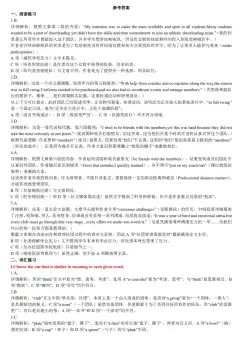
Q1. What is the main idea of the passage?
A. Why museums should stop collecting animal specimens.
B. How old museum specimens can lead to new scientific discoveries.
C. Why scientists prefer laboratory research.
D. How genetic technology has changed species identification.
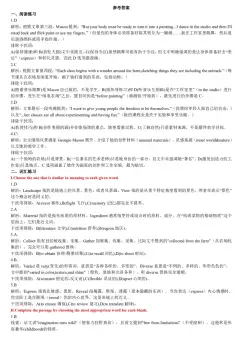
Q2. What can we learn about the deep-water fish mentioned in Paragraph 3?
A. It was discovered during an expedition in 2025.
B. It had been kept in a museum since it was first identified as a new species.
C. It was collected long before scientists recognized it.
D. It was the only new species described that year.
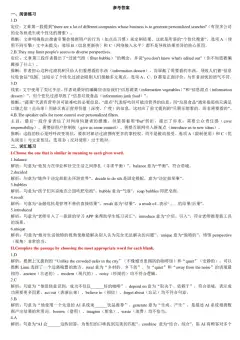
Q3. Why does the author mention the improvement of scientific methods in Paragraph 4?
A. To explain why some species are becoming harder to find.
B. To show how researchers can gain new knowledge from old specimens.
C. To suggest that physical appearance is no longer useful in science.
D. To prove that genetic information is the only reliable way to identify species.
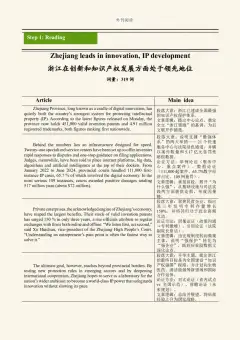
Q4. What does the last paragraph suggest?
A. Scientific discoveries always depend on advanced technology.
B. Museums are more important than exploring the natural world.
C. New discoveries may come from looking at familiar things in new ways.
D. Scientists should focus more on historical collections.
━━━━━━━━━━━━━━━━━━━━
▌ 05 答案与逐题解析
参考答案:Q1 — BQ2 — CQ3 — BQ4 — C
Q1|B 主旨题:
文章从“发现常在博物馆”讲到旧标本的价值,核心是旧标本如何带来新发现。A 谈是否停止收藏,C 比实验室与野外,D 遗传技术只是方法之一。
Q2|C 细节题:
1997 年采集、近 30 年后才被识别——采集远早于识别。A 时间错位,B 因果倒置,D 的“唯一”无据。
Q3|B 意图题:
提方法进步,是为了解释旧标本为什么现在能看出新东西。C 否定外观无据,D 的“唯一”错误。
Q4|C 推理题:
首次看见不等于首次发现,而是学会换一种方式观察。A 的“总是”绝对,B 无比较,D 未建议转向。
━━━━━━━━━━━━━━━━━━━━
▌ 06 做错了?看问题在哪
Q1 错 → Main Idea 概括能力:容易被某个例子吸引,忽略全文主线。练段落大意归纳。
Q2 错 → Detail & Paraphrase 定位与同义转换:找不到原文对应,或没识别同义替换。练关键词定位与逐项比对。
Q3 错 → Author’s Purpose 语篇意识:读懂了字面意思,却没想作者为什么写这句。练段落功能分析。
Q4 错 → Inference 逻辑推断:容易凭个人经验,或把合理推断扩大成绝对结论。练回文找依据。
━━━━━━━━━━━━━━━━━━━━
▌ 07 Reading Skills Takeaway
Main Idea读懂全文在讲什么
Detail & Paraphrase定位信息,识别同义替换
Author’s Purpose理解作者为什么写这一句
Inference依据文本证据做合理推断
小提醒:高考阅读不只考词汇和句子,更考信息整合、语篇意识与逻辑推理。
相关文档
- 2025版高考英语外刊时文阅读训练专题24澳大利亚惊现370英里陨石坑 学生版
- 2025年高考英语外刊时文阅读训练专题24澳大利亚惊现370英里陨石坑学生版
- 2025年高考英语外刊时文阅读训练专项复习专题24澳大利亚惊现370英里陨石坑(教师版)
- 2026年高考英语外刊时文阅读训练专题24:澳大利亚惊现370英里陨石坑(教师版·2025版)
- 2025年高中新高考英语热点新外刊时文阅读理解专题24澳大利亚惊现370英里陨石坑(解析版)
- 2026届高三英语上学期一轮复习专项外刊阅读打卡Day21为什么有些歌总在大脑里单曲循环任务单
- 2026届高三英语上学期一轮复习专项外刊阅读打卡Day21为什么有些歌总在大脑里单曲循环任务单
- 2025年高中新高考英语热点新外刊时文阅读理解专项复习 专题24澳大利亚惊现370英里陨石坑(原卷版)
- 2027年高考英语一轮复习外刊阅读必备基本词汇:外刊阅读搞定高考英语必备基本词汇05
- 2026版高考英语时文热点阅读系列 热点话题02 科学研究报告 阅读专练 教师版
- 2025高考英语大二轮专题强化练作业10科学研究与发现类说明文教师版
- 高中英语时文阅读外刊精选精练 专题05 中国迈入智能网驾驶新时代 解析版 2025年新高考英语热点外刊时文阅读理解
- 2026年高考英语时文热点阅读系列热点话题02科学研究报告阅读专练学生版
- 2027年高考英语一轮复习 外刊阅读搞定高考英语必备基本词汇08
- 2027年高考英语一轮复习外刊阅读搞定高考英语必备基本词汇07
- 2027年高考英语一轮复习外刊阅读搞定高考英语必备基本词汇06
- 2027年高考英语一轮复习外刊阅读搞定高考英语必备基本词汇04
- 2027年高考英语一轮复习外刊阅读搞定高考英语必备基本词汇03
- 2027年高考英语一轮复习外刊阅读搞定高考英语必备基本词汇03
- 2027年高考英语一轮复习外刊阅读必备基本词汇02(更新中)
- 2027年高考英语一轮复习外刊阅读必备基本词汇02(更新中)
- 2027年高考英语一轮复习外刊阅读必备基本词汇01(更新中)
- 2027年高考英语一轮复习外刊阅读必备基本词汇01(英语二)
- 2027年高考英语一轮复习 外刊阅读搞定高考英语必备基本词汇08 参考答案
- 2027年高考英语一轮复习 外刊阅读搞定高考英语必备基本词汇07 参考答案
- 2027年高考英语一轮复习外刊阅读搞定高考英语必备基本词汇06参考答案
- 2027高考英语一轮复习外刊阅读必备基本词汇05 参考答案
- 2027高考英语一轮复习外刊阅读必备基本词汇04 参考答案
- 2026届高三英语上学期一轮复习专项外刊阅读打卡 Day6 浙江引领创新与知识产权发展任务单
- 2026届高三英语上学期一轮复习专项外刊阅读打卡 高考外刊打卡阅读day19睡不好觉可能导致大脑提前老化
- 考研英语一06至24阅读文章外刊来源其二
- 2026年高考英语时文热点阅读系列 热点话题04 猪肾脏移植实验——生物科学研究 阅读理解专练 学生版
- 2025版高考英语外刊时文阅读训练:专题36三胞胎探秘学生版
- 2025版高考英语外刊时文阅读训练 专题33西班牙受洪灾侵袭 学生版
- 2025版高考英语外刊时文阅读训练专题21全球鼠岛之战(学生版)
- 2025年高考英语外刊时文阅读训练专项复习:专题05中国迈入智能网驾驶新时代(学生版)
- 2025版高考英语外刊时文阅读训练:中国迈入智能网驾驶新时代专题(教师版)
- 2025版高考英语外刊时文阅读训练:中国迈入智能网驾驶新时代专题(教师版)
- 2026年高考英语时文热点阅读系列 热点话题04 猪肾脏移植实验——生物科学研究 阅读理解专练 教师版
- 2026届高三英语上学期一轮复习专项外刊阅读打卡 day18 当你在“去”与“不去”之间犹豫时“再说吧”不是好答案
- 2026届高三英语上学期一轮复习专项外刊阅读打卡 Day3 拯救儿童,塑造更美好的未来任务单
- 2025年高考英语外刊时文阅读训练专项复习:专题05 中国迈入智能网驾驶新时代(教师版)
- 2026届高三英语上学期一轮复习专项外刊阅读打卡 Day8 织毛衣:年轻人健脑新选择 任务单
- 2026届高三英语上学期一轮复习专项外刊阅读打卡 Day13 美国航空公司不靠机票赚钱靠什么
- 2025高考英语大二轮专题强化练作业10科学研究与发现类说明文学生版
- 2025年高考英语外刊时文阅读训练专项复习:厄尔尼诺现象的消失(学生版)
- 2025年高考英语外刊时文阅读训练 专题20 微塑料污染研究 学生版
- 2026年高考英语外刊时文阅读训练专题37厄尔尼诺现象的消失(学生版)
- 2025版高考英语外刊时文阅读训练 专题33西班牙受洪灾侵袭 教师版
- 2026届高三英语上学期一轮复习专项外刊阅读打卡Day4:逗乐奶奶从手术刀到速写本任务单