资讯 / 正文
高考英语续写冲刺21+高分思维:情节建构与语言迁移实战秘籍19——以温州市2027届高三第一次适应性考试英语续写为例
开篇语
教育部教育考试院在《2026年高考英语全国卷试题评析》中指出,高考英语命题通过创设真实、多元的情境,考查学生的“思维品质”与“价值判断”,引导学生涵养人文底蕴、塑造坚韧品格。正如笔者在《高考英语续写十年演变深度分析》中所言:如今的读后续写已进入“思维共振期”:好的故事往往是将人物置于内心的困境之中,通过外界微小的契机,激发出向上生长的力量。
今天分享的这篇续写,来自温州市2027届高三第一次适应性考试(以下简称温州一模)。笔者在拙文《对标高考真题,浅析温州一模》一文中认为:温州一模这份卷子“不炫技不浮夸”、“非常接近高考的出题逻辑”,而它的续写题 “Come Sit a Spell”更是被一线教师公认为“读后续写最好的试金石”。它没有宏大的冲突,而是将镜头对准了患帕金森病的父亲与儿子,讲述了一个关于“木工传承、动作与情感双向修复”的故事。它让我们看到:真正的亲情,不是替你阻挡岁月的侵蚀,而是当你的手无法再握紧工具时,我愿意做你的手;当你的眼无法看清刻度时,你依然是我的眼。
今天,2026年11月16日。距离2027年1月浙江高考首考仅剩51天,距离2027年6月全国高考还有203天。在最后的冲刺阶段,希望这篇如温水般细腻的续写,能抚平你内心的焦躁。让我们在文字里,找到静水流深的力量。
本文沿用“挖掘伏笔→倒推节点→语言迁移→范文赏析”的完整思维体系。恳请同仁批评指正,愿为备考学子点亮一盏灯。
让我们一起,回归续写的本真——读懂原文,顺其自然,用朴实的语言讲述真实的故事。
一、先看真题:读懂原文是续写的“地基”
请你先花几分钟认真阅读原文,边读边圈画——我们马上要像侦探一样,从字里行间“挖”出所有伏笔。
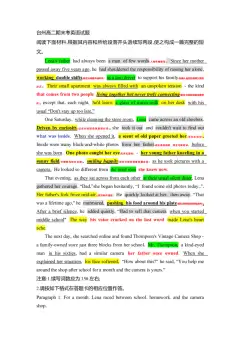
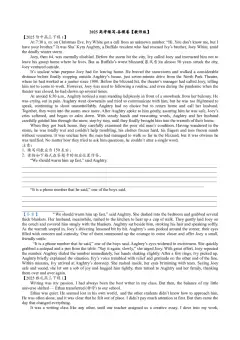
温州一模英语续写真题原文
阅读下面材料,根据其内容和所给段落开头语续写两段,使之构成一篇完整的短文。
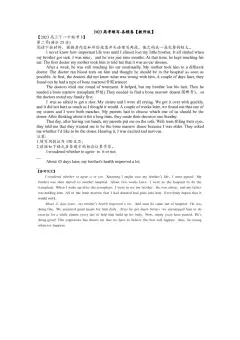
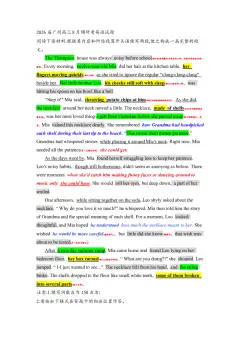
Growing up, I’d longed to have a closer relationship with my dad, but he was always at work, busy with woodworking.
Now that he was retired, I made the 40-minute drive every Saturday afternoon to spend time with him. Before even opening the front door, I could hear the buzz of Dad’s saw (锯子) rising from his basement workshop. There he’d be, bent over his latest creation, sawdust coating his arms.
He built many things, but it was the simple chairs he made that were dearest to his heart. “They remind me of old days,” he told me. “People would say, ‘Pull up a chair and sit a spell (坐会儿).’”
After Dad was diagnosed (诊断) with Parkinson’s at 70, my visits took on a new importance. The doctor warned him against sharp tools, so I felt like I needed to keep a close eye on him in his workshop. One Saturday, I watched his shaking hands slipped when he fed a board through the saw, cutting his finger. He got his finger sewn up at the hospital, but his spirit wasn't so easily mended. He sighed on the way home, “Well, I guess that’s it.” My heart ached for him. Woodworking was his greatest joy in life.
When I visited, I’d still find Dad down in his workshop. I tried small talk, but he just sat silently, rubbing his machines with a soft cloth. Maybe I should think of something that would make Dad feel useful again. Then an idea came to me. “Why don’t we build something together?”“I can’t anymore.” He shook his head. “Show me,” I said. “I’ll be your hands, if you’ll be my eyes. Let’s make one of your chairs.” He ran a trembling finger over a piece of wood, as if trying to make up his mind.
注意:
(1)续写词数应为150左右;
(2)请按如下格式在答题卡的相应位置作答。
Paragraph 1:Moments later, I found myself holding his saw.
Paragraph 2:As the chair began to take shape, so did something else between us.
二、高分思维第一步:深度挖掘原文伏笔(3分钟)
梳理文本信息,区分核心人物、关键物品、场景、情绪与隐藏线索。
1. 核心名词梳理
名词 | 信息解读与续写要求 |
woodworking / saw | 父亲一生的热爱,也是引发受伤的“危险品”,如今成了考验父子默契的工具 |
simple chairs | 父亲最珍视的作品,代表着过去的岁月与尊严,需在第二段成形 |
sit a spell | 核心台词,不仅指休息一会儿,更象征着父子间从容的陪伴与冰释前嫌 |
Parkinson’s / shaking hands | 疾病限制,反衬儿子做“手”的价值,以及父亲做“眼”的精准 |
your hands / my eyes | 核心分工,父亲的经验+儿子的体力,必须贯穿续写始终 |
思维训练:续写中必须回应的伏笔——“我”拿着锯子会害怕或生疏吗?父亲如何用眼睛指导“我”?雕刻过程中遇到了什么困难?椅子做好后,父亲坐在上面说了什么?
2. 核心动词与情感梳理
动作/情绪短语 | 内涵解读 |
bent over / sawdust coating his arms | 父亲曾经专注、活力的状态,与现在的无力形成对比 |
spirit wasn’t so easily mended | 父亲的绝望,觉得失去了自我价值,必须靠做完椅子来治愈 |
rubbing his machines with a soft cloth | 动作细节,父亲对木工的留恋与不舍 |
ran a trembling finger over a piece of wood | 试探与犹豫,但最终答应了,意味着重燃希望 |
3. 隐含信息梳理
① “I’ll be your hands, if you’ll be my eyes.”这句话是整篇文章的灵魂。续写中,锯木头的具体动作必须体现这种配合,不能儿子一人全包,必须突出父亲的指导。
② 修复自尊:父亲受伤后觉得自己“没用了”。儿子提出一起做,是为了让他重新感到被需要,因此第二段父亲坐上新椅子的那一刻,是他的重生。
③ 昔日的隔阂:小时候父亲总是在工作,两人并不亲近。这一次合作,不仅是做椅子,更是修补父子关系。
小结:读懂原文,就是看出所有必须回应的钩子。列出清单后,情节自然浮现。
三、高分思维第二步:从段首句倒推“两段必写内容”(5分钟)
第一段首句分析:Moments later, I found myself holding his saw.
问自己三个问题:
1.“我”第一次锯木头是什么感觉?→ 沉重、紧张、找不到方向,动作僵硬。
2.父亲是如何“做我的眼”的?→ 站在旁边,用颤抖的手指出刻度,用语言指导角度和力度。
3.合作的过程顺利吗?→ 起初笨拙,但在父亲的耐心纠正下,逐渐有了默契,父亲的脸上也开始有了光彩。
第一段情节链条(4个节点):
1.“我”紧握锯子,紧张地开始切割。
2.父亲在旁边仔细盯着,用言语指出偏差。
3.“我”慢慢进入状态,父子俩配合越来越顺畅。
4.木屑纷飞中,父亲的眼里重新亮起了光。
第二段首句分析:As the chair began to take shape, so did something else between us.
问自己三个问题:
1.“something else”指什么?→ 父子间久违的亲密、理解,以及父亲丢失的自我价值感。
2.椅子完成后,父亲是什么反应?→ 抚摸着椅子,露出了久违的笑容,说出了那句经典的“Pull up a chair and sit a spell”。
3.主题升华是什么?→ 岁月可能会夺走父亲的健康,但夺不走他的手艺与爱;陪伴是最好的良药。
第二段情节链条(4个节点):
1.经过打磨与组装等一天的努力,椅子终于做完了。
2.父亲走上前,仔细打量着这把特殊的椅子,热泪盈眶。
3.他缓缓坐下,邀请我也坐下,说出经典台词。
4.“我”感悟到:接替父亲的手艺,就是接替他的爱与生命。
四、高分思维第三步:语言迁移——怎样写得“像原文”?
语言迁移不是抄袭,而是模仿原文的“味道”——原文的情感克制、细节描写、动作接续。
1. 先看原文的“语言指纹”
原文句子 | 特点 |
the buzz of Dad's saw rising from his basement | 听觉描写,极具现场感 |
bent over his latest creation, sawdust coating his arms | 视觉细节,体现工匠精神 |
My heart ached for him. | 心理描写,克制而深情 |
rubbing his machines with a soft cloth | 动作细节,体现失去至爱的孤独 |
结论:原文是动作细节化、情感克制内敛、语言平实的风格。续写切忌大喊大叫,要写得温暖、缓慢、有画面感。
2. 参考范文如何做到“如出一辙”?
关键迁移原则:① 复用核心意象:sawdust, hands, eyes, smooth wood, seat。② 模仿动作描写:用“guide, point, measure, cut”等具体动词构建动作链。③ 复用情感逻辑:从小心试探→ 逐渐熟练 → 完成后的自豪与欣慰。
3. 低分写法 vs 高分迁移写法对比
学生常见低分表达 | 问题分析 | 高分迁移写法(贴合原文风格) |
We made a chair happily. | 表达干瘪,缺乏过程 | I followed his directions, slowly finding the rhythm of the saw. |
Father was very happy. | 空洞,缺少细节 | Father ran his hand over the smooth wood, tears in his eyes. |
He said let's sit down. | 生硬,未呼应原文 | “Pull up a chair and sit a spell,” he smiled, patting the seat. |
思维核心:用原文中出现过的句式、词汇去刻画人物内心的波澜。
五、参考范文赏析:用实战证明策略的有效性
由于本题高度契合全国卷“重逻辑、重真实情境”的命题趋势,命题组并未提供单一范文,而是将空间留给了思维的多元碰撞。这里提供两篇不同字数、风格各有侧重的高分范文供大家学习参考。
高分范文一(词数110 + 113,节奏紧凑,情感直接,侧重动作与指导的流畅配合)
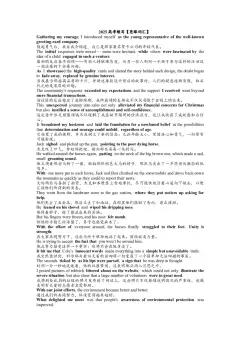
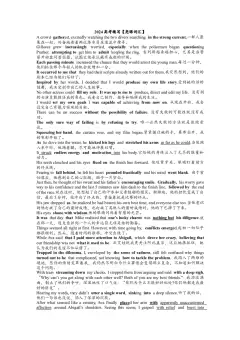
Paragraph 1:Moments later, I found myself holding his saw. The heavy tool felt strange and awkward in my hands. “Steady, son. Guide it along the pencil line,” Dad instructed, his voice weak but sharp. His trembling finger stayed just above the wood, acting as my eyes. I pushed the saw, but it jumped and slipped. “Don’t force it. Let the tool do the work,” he corrected gently. Listening to his voice, I found a steady rhythm. The sharp blade cut through the pine, leaving a clean edge. As freshsawdust drifted into the air, filling the basement with a familiar scent, I saw a brief smile appearon Dad’s pale face. The spark of life was finally coming back.
Paragraph 2:As the chair began to take shape, so did something else between us. The distance that had existed from my childhood seemed to fade with every piece of wood we sanded and every joint we glued. The silence was replaced by the sound of working. When the final seat was fixed, Dad ran his hand over the smooth backrest, his eyes watery. “It’s perfect,” he whispered. He slowly lowered himself onto it, testing its strengthcarefully. Then, he looked up at me, patting the empty space beside him. “Pull up a chair and sit a spell, son,” he said. Sitting there with himin the quiet workshop, I knew we had built much more than just a simple chair.We had truly rebuilt our deep bond.
高分范文二(词数112+126,细节丰富,侧重内心触动与情感张力)
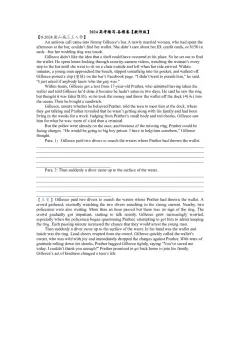
Paragraph 1:Moments later, I found myself holding his saw. The metal felt cold and heavy, entirely new to my unskilledand shaky grip. Dad leaned against the workbench, his body weak, but his gaze fixed closely on the wood. “Angle it slightly to the right,” he directed, his voice trembling yet firm. I obeyed, carefully guiding the saw along the line. My movements werequite clumsy at first, the blade sticking. “Slow down. Feel the wood,” he murmured. He watched my hands closely, calling out tiny adjustments, his unsteady finger pointing at the danger zone. Gradually, my strokes became smootherand smoother. When the first board fell away cleanly, Dad let out a breath, his eyes lighting up with genuine pride.
Paragraph 2:As the chair began to take shape, so did something else between us. The silence that had filled our Saturdays for months was replaced by the rhythmic sanding and the occasional exchange of tools. Following his careful instructions, I turned rough planks into curved armrests and strong legs. When the final piece was fixed, Dad stood back to admire our creation. Slowly, he lowered himself onto the smooth seat and held the armrests tightly, as if greeting a long-lost friend. “You did it, son,” he whispered, his eyes filled with tears. He then gently patted the space beside him. “Pull up a chair and sit a spell.” As I sat beside him in the quiet basement, I realized that while the disease took away his steady hands, it could never touch the love he was passing down to me.
两篇范文的差异化分析
维度 | 范文一 (223词) | 范文二 (238词) | 差异说明 |
节奏控制 | 简洁明快,对话紧凑,直奔主题。 | 侧重描写,用词细腻,有镜头感。 | 范文一适合考场时间紧张时参考;范文二适合追求极佳文采与细节的考生。 |
动作描写 | 侧重锯木头的关键动作与“我”的领悟。 | 增加了父亲“鹰隼般”的注视与“我”的手忙脚乱。 | 范文二将“hands and eyes”的配合写得更生动,画面感更强。 |
情感递进 | 从微笑到流泪,自然过渡。 | 增加了“几个月来的沉默被打破”的心理刻画。 | 范文二的情感铺垫更长,读来更让人动容。 |
结尾升华 | “我们建造了比椅子更多的东西。” | “疾病夺不走爱与传承。” | 范文二直接点出了疾病、手艺与爱的关系,立意更宏大。 |
六、考场冲刺21+的五个实操习惯
1.圈画伏笔:3分钟内圈出人物(父子)、物品(锯子、椅子)、情绪(绝望、试探)、核心台词(hands & eyes)。
2.规划节点:每段设定3-4个动作与心理的转折节点,确保逻辑连贯。
3.语言仿写:直接迁移原文的高频短语,如“trembling finger”, “smooth surface”, “heart ached”。
4.篇幅把控:两段正文加起来,根据自身笔速控制在100-130词/段之间,不含首句总词数在200-260之间。
5.收尾检查:核对是否点到了“sit a spell”的台词、木工动作的合理性,以及时态(一般过去时)。
结尾语:那些被木屑包裹的温情
这篇温州一模的续写之所以被誉为“最好的试金石”,是因为它告诉我们:最高级的续写,不需要惊天动地的反转,只需要把一个动作、一个眼神写透。父亲颤抖的手指,儿子笨拙的锯木,两张一老一少的脸,在木屑纷飞中达成了和解,完成了生命的传承和托举。
在最后的51天(浙江首考)和203天(全国高考)里,你或许也正面临着巨大的压力。但请相信,无论是学习还是生活,那些看似难以跨越的鸿沟,往往只需一句“我懂你”就能消融。
愿你像那把锯子一样,虽有阻力,依然能切开前方的荆棘。愿你身边的温情,能陪你“sit a spell”,走到柳暗花明。首考加油,高考必胜!
感谢您的阅读。
Frank65252026年11月16日定稿
相关文档
- 2026李辉英语读后续写竞赛类话题语言讲义
- 2026李辉英语读后续写环境描写语言讲义
- 2026李辉英语读后续写成长类话题语言讲义
- 2026李辉英语读后续写性格描写语言讲义
- 2026李辉英语读后续写师生类话题语言讲义
- 2026李辉英语读后续写历险类话题语言讲义
- 2026李辉英语读后续写助人类话题语言讲义
- 2026李辉英语读后续写动物类话题语言讲义
- 2026李辉英语读后续写动作描写语言讲义
- 2026李辉英语读后续写亲情类话题语言讲义
- 2026李辉英语读后续写情绪描写语言讲义
- 2026李辉英语读后续写心理描写语言讲义
- 2026李辉英语读后续写外貌描写语言讲义
- 笔杆子每日晨读4月0422以青春之我续写时代华章思维导图(青年青春话题)
- 笔杆子每日晨读4月22日以青春之我续写时代华章(标注绿)青年青春话题
- 笔杆子每日晨读4月22日以青春之我续写时代华章(标注白)青年青春话题
- 笔杆子每日晨读4月0422以青春之我续写时代华章(未标注绿,青年青春话题)
- 笔杆子每日晨读4月0422以青春之我续写时代华章(未标注白,青年青春话题)
- 2024年高考英语一轮复习读后续写必备微技能:续写语言组织微观技巧(策略+PPT)
- 2026考公申论晨读材料:0531思维导图赓续改革开放精神续写“中国奇迹”
- 专题32读后续写之如何续写故事开头-2023年高考英语一轮复习《考点•题型•技巧》精讲与精练高分突破系列(通用)(原卷版)
- 2026年高考英语一轮复习读后续写专项:坏掉的滑板轮讲义(读后赋能语境+多篇拓展思路)
- 2026年高考英语一轮复习读后续写专项:乐队音乐节讲义(读后赋能语境+多篇拓展思路)
- 专题32读后续写之如何续写故事开头-2023年高考英语一轮复习《考点•题型•技巧》精讲与精练高分突破系列(通用)(解析版)
- 2027届高考英语读后续写专题训练:2026高考续写各模卷学生版
- 2027届高考英语读后续写专题训练:2026高考续写各模卷学生版
- 2027届高考英语读后续写专题训练各模卷学生版
- 2027届高考英语读后续写专题训练各模卷学生版
- 2027届高考英语读后续写专题训练 2024各模卷续写学生版(一二三轮复习)
- 2027届高考英语读后续写专题训练:2023高考续写各模卷(学生版)
- 2022高考英语读后续写各模卷学生版(2027届高考读后续写专题训练)
- 2026年高考英语一轮复习专项读后续写讲义:相机承载的亲情桥梁
- 2026年高考英语一轮复习专项读后续写团队协作点亮创作之路讲义
- 2027届高考英语读后续写专题训练各模卷教师版
- 2027届高考英语读后续写专题训练各模卷教师版
- 2027届高考英语读后续写亮眼词汇清单
- 2027届高考英语读后续写专题训练各模卷教师版
- 2025年高考英语读后续写亮眼词汇清单(2027届高考读后续写专题训练)
- 高考英语读后续写各模卷专题训练(教师版)
- 2024年高考英语读后续写亮眼词汇清单(2027届高考读后续写专题训练)
- 2023高考英语续写各模卷(教师版)
- 2027届高考英语读后续写专题训练:2023年高考续写亮眼词汇清单
- 2027届高考英语读后续写专题训练 2022各模卷续写 教师版
- 2022年高考英语读后续写亮眼词汇清单(2027届高考读后续写专题训练)
- 2025高中英语应用文课后续写专项复习 读后续写微技巧2:合理推理确保续写走向
- 2026年高考英语一轮复习专项:读后续写友情修复与成长类讲义(高三上学期9月起点考试英语试题)
- 2024届高考英语作文复习专项 读后续写核心动词6清单 含丰富续写语料
- 2025高中英语读后续写微技巧1:四条主线深挖续写基点专项复习
- 高考英语读后续写复习专练:必背08 合理打造续写的“最终印象”(主题升华)
- 2026年高考英语全国各地模拟题写作解析讲义:温州市普通高中高三第一次适应性考试英语读后续写精讲分析讲义
- 2026年高考英语一轮复习专项续写读后赋能语境+多篇拓展思路 师生互助读后续写讲义
- 2026年高考英语一轮复习专项读后续写讲义:广东省衡水金卷高三上学期开学联考读后续写(语境赋能+多篇拓展思路)
- 2027届高考英语续写语料整合清单(一二三轮复习专项更新)
- 高考英语读后续写复习专练:必背06 续写第二段开头的核心技巧(事件推进)
- 笔杆子晨读思维导图唤醒文化基因续写传承新篇
- 高考英语读后续写母子亲情成长励志类讲义 2026年一轮复习专项续写读后赋能语境与多篇拓展思路
- 2026年高考英语一轮复习专项 读后续写人与动物情感讲义 续写读后赋能语境+多篇拓展思路
- 2027年高考英语读后续写专项复习:必背03优化续写第一段尾句写作(尾首衔接)
- 2024高考英语一轮复习读后续写必备微技能:原文分析促进续写重构
- 2026年高考英语一轮复习专项续写读后赋能语境+多篇拓展思路讲义:高三上学期9月基础测试英语试题读后续写校园温情帮助+文化适应类
- 2026高考英语一轮复习读后续写专项:校园成长励志师生情类讲义(语境赋能+多篇拓展思路)
- 2026年高考英语一轮复习专项 读后续写道德困境抉择情感冲突类讲义 语境赋能与多篇拓展思路
- 备战2022年高考英语一轮复习考点微专题考向65读后续写四步曲助力续写得高分(解析版)
- 2024高考英语一轮复习读后续写必备微技能·续写接话的构思与设计
- 2026年高考英语一轮复习专项续写读后赋能语境与多篇拓展思路讲义:读后续写之家庭兄妹情感成长叙事类
- 2026年高考英语一轮复习读后续写讲义:师生情与个人成长类(9月高三联合测评)
- 2026高考英语一轮复习专项:读后续写家庭母子温情与感恩回报类讲义(含语境赋能与多篇拓展思路)
- 2025年高考英语读后续写高分技能提升:04故事转场思维(9页)
- 2026年高考英语一轮复习专项 读后续写人与人关系之社会温情善良回环讲义 续写读后赋能语境+多篇拓展思路
- 2026年高考英语一轮复习专项续写读后赋能语境与多篇拓展思路:新课标I卷人与人情感修复类读后续写讲义
- 2026年高考英语一轮复习专项 新课标I卷 人与人情感修复类读后续写讲义
- 2026年高考英语一轮复习专项 新课标II卷 文化冲突与身份认同读后续写讲义
- 2026年高考英语一轮复习专项 新课标II卷 文化冲突与身份认同读后续写讲义
- 2026年高考英语一轮复习读后续写讲义:动物救援读后续写Emma和Jack拯救森林小鹿
- 九师联盟25届高三押题卷四英语悬疑情感翻转动物救援类读后续写讲义(高考英语一轮复习专项)
- 2025年高考英语写作专项训练 读后续写微技巧2 合理推理确保续写走向 课件PPT知识讲义
- 笔杆子2024年3月每日晨读干货资料:0307思维导图以新质生产力续写更多“春天的故事”
- 备战2022年高考英语一轮复习考点微专题考向65读后续写四步曲助力续写得高分(原卷版)
- 2026考公申论晨读材料 5月时政 赓续改革开放精神续写“中国奇迹” 未标注绿版
- 2026考公申论晨读材料 5月时政 赓续改革开放精神续写“中国奇迹” 未标注白版
- 2026考公申论晨读材料 5月时政 赓续改革开放精神续写“中国奇迹” 标注绿版
- 2026考公申论晨读材料 5月时政 赓续改革开放精神续写“中国奇迹” 标注白版
- 2026年高考英语一轮复习专项 高三上学期九月调研读后续写讲义 成长励志克服恐惧+好友帮扶型(续写读后赋能语境+多篇拓展思路)
- 2026年高考英语一轮复习专项续写读后赋能语境+多篇拓展思路 读后续写拯救动物类 PinesForest见证Noah和Chole救受伤小鹿讲义
- 2026年高考英语一轮复习专项续写读后赋能语境与多篇拓展思路讲义:读后续写之家庭情感子女关系修复类(Lilly和妈妈的minifoodfestival)
- 2026年高考英语一轮复习专项读后续写讲义:个人心理成长、自我救赎与道德抉择类(语境赋能+多篇拓展思路)
- 2025高考英语写作专项训练课件PPT知识讲义应用文素材:读后续写微技巧1四条主线深挖续写基点(英语2专项复习)
- 2026年高考英语一轮复习读后续写讲义:个人成长与转变型(河南安阳高三调研考试)
- 备战2022年高考英语一轮复习考点微专题考向36读后续写如何续写故事开头(解析版)
- 2026年高考英语一轮复习专项读后续写讲义 校园生活冲突与和解类:宿舍矛盾这么解 语境赋能+多篇拓展思路
- 三年级作文故事续写
- 2025年高考英语一轮复习应用文写作与读后续写精讲精练:24读后续写微技巧2合理推理确保续写走向
- 2026年高考英语一轮复习专项读后续写赋能讲义:人际温情与误解冲突反转类——连帽衫少年与搭车善意
- 2026年高考英语一轮复习读后续写人际温情与冲突反转类讲义(原来坏笑也能是善意)
- 2026年高考英语一轮复习专项读后续写导学案:个人成长类——每朵花都有它盛开的理由
- 2026年高考英语一轮复习专项:读后续写同情与救赎、人与人之间的理解与温暖类讲义(高三上学期9月月考)
- 2026年高考英语一轮复习专项续写读后赋能语境与多篇拓展思路:高二下学期期末英语试题读后续写讲义
- 高中英语作文提分特训21天高分句型仿写默写表
- 备战2022高考英语一轮复习考点微专题考向36读后续写之如何续写故事开头(原卷版)
- 2025年高考英语一轮复习读后续写微技巧1四条主线深挖续写基点精讲精练PPT