资讯 / 正文
更高效学习的9个习惯
英语学习 关注猎奇
9 Habits to Study More Efficiently
更高效学习的9个习惯
Hey everyone, and welcome to TopThink. Today, we are going to learn about 9 habits to study more efficiently. Now, let’s begin.
大家好。今天我们要探讨的是更高效学习的9种习惯养成。
Studying more efficiently isn’t about spending endless hours hunched over a desk. It’s about using the time available in a smarter, more intentional way, and even building in time to rest and recover. Many students work harder than they need to simply because they haven’t been taught how to study effectively. With a few strategic habits, it’s possible to improve focus, to retain information longer, and to reduce burnout along the way.
更高效学习并非是要投入无限多的时间伏案苦读,而是要更聪明更有意识地合理利用有限时间,不仅要安排时间学习,也要安排时间休息。许多学生付出了很多无谓的努力,就是因为没有人教他们高效学习的方法。只需要几个策略性习惯就能提高专注力,增强记忆力,减少懈怠。
There are some proven methods to make studying more efficient and far less stressful. These habits are backed by learning science and designed to work with the brain, not against it. So, rather than cramming or relying on willpower alone, they focus on structure, focus, and repetition to help information stick over time. So, without further ado, here are nine habits to study more efficiently.
下面有几种方法能够让学习更高效、更轻松。这些方法习惯有科学依据,其设计顺应大脑科学,摒弃死记硬背,不单纯依赖意志力,而更重视结构、专注力和重复性,有助于日积月累牢固掌握知识点。言归正传,下面就开始介绍高效学习的9种习惯。
#1 Eliminate Distractions
1. 排除干扰
No matter how dedicated you might be to your learning and development, it’s so easy for the outside world to creep in and pull you away from your studies. Your environment should provide a strong foundation for your success. Eliminate distractions before each study session. Create a hyper-focused, high-productivity environment for yourself.
无论你多么投入地学习,外界总会悄然分散你的注意力。学习前,首先要为自己营造高度专注、高效的学习环境,排除一切干扰。
In our modern age, electronics are among the worst offenders when it comes to distractions. Silence notifications on your phone and consider even temporarily deleting or blocking social media apps if the temptation is too great. You can also set your devices to “do not disturb” so that only the most vital of alerts will come through.
现代社会中,最干扰专注力的非电子产品莫属。将手机调成静音模式,如果社交媒体信息的影响太大,甚至可以考虑临时卸载一些社交媒体软件。你也可将设备调到“勿扰”模式,这样就只能收到最重要的提醒。
Some people find music calming or energizing while studying. Research has even shown that instrumental tunes – they can help some of us with focus. Aim for tracks without lyrics, as lyrics can make it harder to follow or process complex thoughts. Seek out “studying” playlists on your favorite streaming services to find what works for you.
有些人发现,在学习过程中,音乐能让人平静或精力充沛。研究发现,纯音乐能够让一些人注意力更集中。尽量选择没有歌词的纯音乐,因为歌词比较复杂,需要理解,会在不觉中分散注意力。在你最喜欢的流量媒体上找出对你适用的“学习”播放清单。
Visual clutter is also a major source of distraction. A messy or disorganized space can even cause feelings of guilt or stress, reminding you to clean up. Put away loose papers, stow items in drawers or cups, and keep your study space as tidy as possible so you can focus on your work.
视觉混乱也是干扰注意力的个重要原因。学习的地方如果杂物堆砌,混乱无序,会让人因未及时收纳整理而产生愧疚感和压力。收好凌乱的报纸,把物品都归整到抽屉或储物柜中,尽量保持学习的地方干净整洁,这样才能投入地学习。
#2 Practice Active Recall
主动回忆
Passively reading information or attending class is generally not enough to help you retain large swaths of information over time. Active recall is a technique that forces you to gauge your learning in real time. Studies have shown it to be one of the most effective learning methods, as it strengthens your short-term memory and helps move facts into long-term memory too. It forces your brain to search for information rather than just letting it wash over you, strengthening neural pathways. It’s a workout for your brain!
被动阅读信息或者听课通常不足以帮助你记住大量的内容。主动回忆是能强制你实时回忆所学内容的一种方法。研究表明,主动回忆是最有效的学习方法之一,它能够强化短期记忆,并有助于将其转化成长期记忆。主动回忆不只是被动接收信息,而是强制大脑主动搜索信息,从而强化神经通路,对大脑是一种锻炼。
Active recall can take many simple, approachable forms. Using flashcards, study apps, or practice questions encourages the brain to retrieve information rather than simply recognize it. Repeating concepts out loud, rephrasing ideas in your own words, or writing every single thing remembered about a topic from memory (often called “blurting”) can quickly reveal what has truly been learned.
主动回忆有许多简单可行的形式。采用卡片、学习软件或问答题等形式都能够促进大脑主动回忆,而不只是简单地识别信息。大声重复概念、用自己的语言复述要点或凭记忆默写有关某个主题的内容(通常被称为“脱口而出”)等方法都能快速检验你真正掌握了哪些内容。
Turning review sessions into games or challenges can also make recall more engaging while reinforcing long-term retention. Make it a true contest by offering yourself an incentive for success, maybe a fun reward like a sweet treat or a walk in the fresh air to relish a job well done.
将复习环节转化为游戏或挑战可以使回忆过程更具吸引力,同时强化长期记忆。通过为自己设定成功奖励(比如一份甜点或一次享受清新空气的散步来庆祝任务完成),将其变成一场真正的竞赛。
#3 Take Effective Notes
有效记笔记
Taking notes while reading or listening is a special skill in and of itself. It might seem that the best note-takers are writing down everything, but that process can lead to burnout and overwhelm. So, rather than simply transcribing, aim to synthesize information into your own words. Organize notes by subject, using headlines, bullet points, and even color-coding to keep concepts distinct and easy to understand.
边读边记笔记或边听边记笔记是一种特殊技巧。最好的笔记似乎是记全所有内容,但这种记笔记的过程会让人崩溃或精疲力尽。所以,笔记不要一字不漏简单地原文照抄,而要用自己的语言对内容进行综合整理。按照主题采用标题、要点甚至是彩色标记标出重点,使其更醒目,便于理解。
The physical act of writing for some can really help reinforce learning. For others who have excellent visual memory, clear, color-coded notes can be a pathway to retention.
对于某些人而言,动手写的确有助于提高学习效率。而对于那些视觉记忆优秀的人而言,清晰且色彩分明的笔记可能是加深记忆的一种方法。
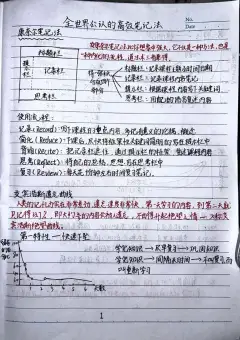
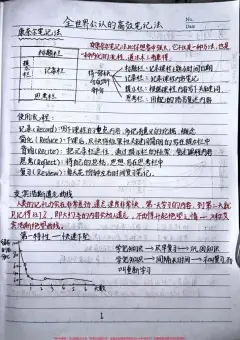
Structured note-taking methods like the Cornell Method or mind mapping can help organize information in a way that mirrors how the brain naturally connects ideas. The Cornell Method divides each page into sections for main notes, cues or questions for active recall, and a brief summary, making review and self-testing easier. Mind mapping involves creating branches from one central topic, visually demonstrating how concepts and details intersect and relate.
类似康奈尔笔记法的结构笔记或思维导图也有助于梳理知识要点,也能反映大脑如何自然关联这些知识点。康奈尔笔记法将每一页分为主要笔记、回忆线索或问题及简要总结等版块,让复习和自测变得更容易。思维导图是围绕一个中心主题进行发散,直观展示概念与详细内容之间的关联。
These systems help identify gaps in understanding and make revisiting material more efficient over time. Most importantly, notes should be reviewed regularly, rather than filed away and forgotten, so the information stays active and accessible.
这些方法有助于发现理解上的差距,随着时间的推移会让复习资料越来越高效。最重要的是,温故而知新,笔记应当定期复习,而不是整理好就将其束之高阁。
#4 Create a Study Schedule and Stick to It
制定学习时间表并坚持执行
Approach studying just like you would attending class, going to work, or taking part in other regular activities that you enjoy, like sports or music: create a schedule and stick to it. Develop a study routine that complements your existing commitments, so that it becomes a habit rather than a hassle. Having learning become a ritual makes it more ingrained – you might find your body and your brain become even more receptive to it over time.
把学习当成上课、上班或参加你喜欢的体育运动、音乐等其他固定活动一样,制定一个学习时间表并坚持执行。结合你当前的任务目标,形成一个学习规律,让学习变成一种习惯而非负担。把学习变成一种仪式,这会让学习习惯更加根深蒂固,随着时间的推移,你会发现身体和大脑都会更接受学习。
Building consistency is key. Time blocking – assigning specific tasks to set periods on a calendar – helps you treat study sessions like non-negotiable appointments and protect that time from last-minute plans or distractions. Over time, this regularity helps studying feel automatic rather than something that requires constant motivation. It becomes second nature. Incorporating spaced repetition into the schedule can further improve retention. Spaced repetition is the practice of reviewing material at gradually increasing intervals to strengthen long-term memory and prevent forgetting. This approach makes study time more efficient and reduces the need for last-minute cramming, which has diminishing returns.
保持一贯性很重要。在学习日程中,特定的学习任务安排固定的时间段,这样有助于将学习当成不容更改的一项约定,防止临时计划或其他干扰。随着时间的推移,这种习惯规律会让学习变得自然而然,就像第二天性一样,无需不断激励。在学习计划中纳入间隔性复习,能够进一步提升记忆效果。间隔性复习是指复习时间间隔逐渐延长,以强化长期记忆,防止遗忘。这种方法让学习时间更高效,减少临时抱佛脚的情况,临时抱佛脚效果大打折扣。
#5 Use the Pomodoro Technique
采用蕃茄工作法
When creating a study schedule, consider adding the Pomodoro Technique into the mix. This is a focused time-blocking method that applies to various types of intellectual, administrative, or creative work, including studying. The Pomodoro Technique helps you maintain stamina and focus over time by having you work in short bursts, followed by brief periods of rest and rejuvenation. Especially as an important test or event gets closer, the Pomodoro Technique can help you make it through the home stretch.
制定学习时间计划表时,考虑采用蕃茄工作法。这是一种专注时间管理法,适用于包括学习在内的智力型、管理型和创造性工作。蕃茄工作法是在指短时间高度集中精力工作后,稍作休息放松,这样反复多次,有助于保持耐力和专注力。尤其是在重要考试或重大活动临近时,蕃茄工作法能帮助你完成最后冲刺。
This technique typically involves working or studying in focused 25-minute intervals, called “Pomodoros,” followed by a 5-minute break. After completing four Pomodoros, take a longer break of 15 to 30 minutes to rest and reset. This structured rhythm helps maintain concentration while preventing mental fatigue over longer study sessions.
这种方法一般是集中精力工作或学习25分钟,即一个“蕃茄钟”,然后休整5分钟。完成4个蕃茄钟后,休息15至30分钟,然后再开始下一轮工作和学习。这种结构的节奏有利于保持专注力,防止长时间学习过程中的精神疲劳。
Not sure what to do with your mini break times? Here are some productive, restful ideas: Listen to your favorite song. Do jumping jacks. Call a friend for a quick check-in. Do a crossword puzzle. Snuggle your dog or cat. And for the longer breaks, try taking a walk to get your blood pumping and enjoy the fresh air. You could even take a quick nap – but be sure to set your alarm!
不知道短暂休整的时间该干什么?这里有一些不错的建议,比如,听听你喜欢的音乐,起身跳一跳,给朋友快速打一个问候电话,做一下填字游戏,撸撸猫狗。中场休息时间则尽量去散散步,呼吸一下新鲜空气,活动一下筋骨。
#6 Try SQ3R When Reading
阅读时尽量采用SQ3R 法
Now, for some of us, it can be challenging to retain information from reading alone. That’s where the SQ3R Studying Technique comes in, also sometimes called SQRRR. Use this five-step process while you read to help you break down, solidify, and retain information. It incorporates other techniques like active recall, note-taking, and time blocking into one effective process.
对我们大多数人而言,仅靠阅读记住内容有些困难,这时候就需要SQ3R法,有时也称为SQRRR法。在阅读时采用这种五步法有助于对内容进行分解、巩固和记忆。这种方法与主动回忆、记笔记和分段管理时间等方法相结合,行之有效。
Here are the steps of SQ3R for reading comprehension:
下面具体讲一讲阅读理解的SQ3R五步法:
First, survey: Don’t read the entire book; instead, skim the first chapter and take notes on standout features such as headings or tables.
第一步:概览(S)。不要通读全书,而要快速浏览第一章,仅记录标题、副标题、图表等关键结构特征,以构建内容框架。
Second, question: Create some questions for yourself based on the notes that you hope to answer as you read.
第二步,提问(Q)。根据笔记提出一些希望在阅读过程中去回答的问题。
Third, read: This one’s easy! Read the chapter with your questions in mind.
第三步,阅读(R)。这一步简单,就是带着问题阅读。
Fourth, recite: After reading a section, summarize what you just took in, including salient points and answers to your question. That’s right… it’s active recall!
第四步,默写(R)。读完这一部分后,对你刚刚所读内容进行归纳总结,包括写出要点和问题答案。对,也就是之前说的主动回忆。
Fifth, review: When you’ve finished the whole chapter, review all your notes and questions to confirm that you fully understand the major concepts.
第五步,复习(R)。学完整个章节之后,把所有的笔记和问题都复习一遍,确保已完全理解重要概念。
#7 Use Practice Tests
模拟考试
Practice tests are a form of active recall, but they take it to the next level. Rather than quizzing yourself on one or two concepts in the moment, practice tests are a longer, more formal way to see whether or not large amounts of information have solidified in your brain. Test yourself under true exam conditions to help identify weak areas and potential stressors.
模拟考试也是主动回忆的一种形式,但它不同于对一两个概念的即时小测。模拟考试时间更长,更正式,需要按照真实考试场景进行测试,目的是通过测试查漏补缺,检验一些内容掌握是否牢固。
Practice tests help build mental stamina by training the brain to stay focused for the full length of an exam. They also make the testing process feel familiar, reducing anxiety by eliminating fear of the unknown.
模拟考试能通过训练大脑在整场考试中保持专注来培养精神耐力,同时也能熟悉考试过程,消除对未知的恐惧,从而减少焦虑。
Over time, tests become just another part of the study routine rather than something intimidating or overwhelming. Test day will no longer feel like a major event to be feared, but a normal part of life.
日积月累,考试就变成了日常学习的一部分,而不是让人害怕和崩溃的事情。考试日也不再是会让人害怕的重要日程,只是稀松平常的日常生活。
#8 Teach What You Learn
教别人所学内容
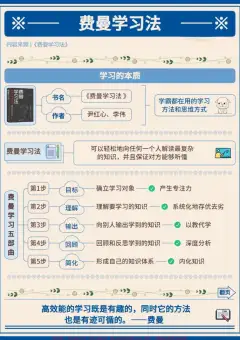
Many experts suggest integrating the Feynman Technique into your study practice. This technique involves teaching the information that you are learning to others as an engaging form of active recall, and you also receive live feedback.
许多专家都建议在学习实践中融入费曼方法。这种方法是要将所学内容教给别人,通过教别人来主动回忆,并得到实时反馈。
The process of explaining information to others who might not be familiar with it forces you to recall the information, to simplify it, to rephrase it, and to repeat it. Not only does the repetition solidify the info for you, but the process may also expose gaps in your own learning that you can identify for further studying later.
在给别人讲解内容的过程中,对方可能对内容不熟悉,你被迫对内容进行复盘简化,并用自己的理解和语言进行讲解。
Teaching doesn’t require a formal classroom setting. Explaining concepts to a study buddy, small group, or even out loud to oneself can be just as effective. These interactions create accountability, encourage discussion, and often lead to deeper understanding through questions and clarification. Seek out a buddy in your class or find an online group that shares your interest and can become partners in your practice. You might also make a new friend… after all, you already have something in common!
教别人并不需要教室等设施设备。你可以给一起学习的同伴讲,也可以给三两个人讲,还可以大声讲给自己听,都一样有效。这些互动形成了一种责任,促进讨论,并通过提问和解释实现更加深度理解。在班上找一个同学,或者在线上找一群有共同兴趣可以一起进行教学实践的同伴,这样不仅可以互相促进学习,还能交到一些兴趣相投的新朋友。
#9 Prioritize Sleep
重视睡眠
Staying up through the night to get in one more study session isn’t doing you any favors. You function best when you are well-rested. Sleep supports all your body and brain functions, including critical thinking, focus, and stamina – all needed for study success. Most importantly, sleep is when your brain sorts information and forms memories. If you disrupt your circadian rhythms, you’ll find it harder to retain information.
挑灯夜战没有任何好处。只有休息好,身体机能才能达到最佳状态。成功离不开批判性思维、专注力和耐力,这些身心机能都依赖于充足的睡眠。最重要的是,大脑是在睡觉时进行知识整合形成记忆的。如果你打乱生理节律,日夜颠倒,你会发现记忆力越来越差。
Most people need between seven and nine hours of sleep each night to function at their best. Creating a cool, dark, and quiet sleep environment – along with winding down through relaxing, screen-free activities like reading or taking a warm bath – can make it easier to fall asleep and stay asleep. When sleep is treated as a priority rather than an afterthought, learning becomes more efficient and sustainable. Consistent, quality rest builds the foundation for success, cultivating focus, memory, and resilience.
大多数人每天需要7~9小时的睡眠才能保证身体机能达到最佳状态。营造清凉、黑暗和安静的睡眠环境,并通过阅读或洗热水澡等方式让身心完全放松,这样就会比较容易入睡,且睡得安稳。当你重视睡眠时,就不会拖延睡觉时间,学习也会更高效持久。长期高质量的睡眠有利于专注力、记忆力和耐力的培养,是成功的基础。
(水佩风裳爱琳 编译)
相关文档
- 一二年级读书与学习习惯推荐
- 一年级学习习惯培养:狠抓7点与识字方法家长指导
- 黄金记忆时间表:高效学习提升学习效率
- 高效学习方法之康奈尔笔记法
- 语文21天习惯养成计划
- 小学1-9年级各科及幼升小综合类学习资源汇总包(含学霸好习惯养成)
- 康奈尔笔记法高效学习方法(手写版)
- 不能忽视孩子的这些坏习惯
- 培养孩子阅读习惯的6个技巧
- 新学期学习计划与好习惯培养(一升二年级·二年级语文上册·开学季)
- 海马体学习法:央视推荐的高效学习方法(初中精品资料高清可打印)
- 小学生安全主题班会《安全习惯》教案
- 考点4完形填空之习惯搭配(学生版)
- 考点2习惯搭配--练考点--熟能生巧(学生版)
- 国企申论范文·良好卫生习惯贵在坚持
- 费曼学习法高效学习方法(综合类一线老师整理版资源)
- 小学文学常识高效记忆学习资料(全科全年级)
- 智慧人生 人生领悟道理 培养孩子好习惯
- 考点4完形填空之习惯搭配(教师版)
- 考点2习惯搭配--练考点--熟能生巧(教师版)
- 帮孩子养成4个好习惯(家庭教育)
- 文明与诚信主题班会教案《好习惯从我做起》
- 斐斐秋季秘密资料好习惯助你成学霸
- 不能忽视孩子的这些坏习惯教育指南家长妙招
- 帮孩子养成4个好习惯 家庭教育资料
- 家长妙招:不能忽视孩子的这些坏习惯(学生心理辅导)
- 考点2习惯搭配--讲考点-胸有成竹(学生版)
- 小学数学人教版知识点总结 学霸秘籍高效学习方法
- 考点2习惯搭配--讲考点-胸有成竹(教师版)
- 国企综合写作范文77·改变旧习惯引领新未来
- 小学1-6年级好习惯养成时间表
- 2026考研外刊精读4月8日:人工智能,习惯为常?
- 2026考研每日外刊精读4月8日:人工智能,习惯为常?
- 广东开心版五年级下英语第六单元好习惯教案
- 译林版三起英语Unit2 Good habits单元主题阅读「好习惯」
- 二年级语文上册培养孩子阅读习惯的6个技巧
- 假期培养孩子受益一生的7种好习惯(家庭教育资料)
- 朗文国际英语教程Side by Side第一册 第23讲 Unit10(A) 习惯行为、兴趣和活动(新概念英语剑桥英语超级大合集)
- 朗文国际英语教程Side by Side第一册 第24讲 Unit10(B) 习惯行为、兴趣和活动(新概念英语剑桥英语超级大合集)
- 文明与诚信主题班会《习惯养成教育》主题班会教案(教师工作资源)
- 小学生18个好习惯一览表(学霸必备,可打印)
- 一年级语文写字表每日书写打卡(21天习惯养成)
- 广东开心版五年级下英语第六单元好习惯知识总结
- 2023高考英语二轮复习完形填空解密02习惯搭配讲义教师版
- 2023高考英语二轮复习完形填空解密02习惯搭配讲义学生版
- 二年级下册语文每日晨读+作文素材(26年幼小衔接小学教辅)
- 最新小学1-9年级各科+幼升小+综合类学习资源汇总包
- 超实用绘本阅读高效7步万能公式 亲子阅读指导资料
- 2026考公申论素材 写材料高手实用素材合集 公文习惯用语大全汇编
- 高考语文主题重教尚学读书明智培养习惯三段式写作