资讯 / 正文
【文博 收藏】九年级英语人教知识点总结大全,建议收藏!
【文博 收藏】九年级英语人教知识点总结大全,建议收藏!Unit 1 How can we become good learners? 重点短语 have conversations with sb. 同某人谈话 too…to… 太……而不能 the secret to……… 的秘诀 be afraid of doing sth. / be afraid to do sth. 害怕做某事 look up 查阅 read aloud / repeat aloud 大声朗读;大声跟读 make mistakes in 在……方面犯错误 connect…with… 把……和……连接/联系起来 get bored 感到厌烦 be stressed out 焦虑不安的 pay attention to 注意;关注 depend on 取决于;依靠 the ability to do sth. 做某事的能力 考点详解 【1】by + doing 通过……方式(by 是介词,后面要跟动名词,也就是动词的 -ing 形式) 【2】talk about 谈论,议论,讨论。如:The students often talk about movies after class. 学生们常常在课后讨论电影。 talk to sb. = talk with sb. 与某人交谈 【3】提建议的句子: ① What / How about + doing sth.? 做……怎么样?(about 后面要用动词的 -ing 形式,这一点考试考得比较多)如:What / How about going shopping? ② Why don't you + do sth.? 你为什么不做……?如:Why don't you go shopping? ③ Why not + do sth.? 为什么不做……?如:Why not go shopping? ④ Let's + do sth. 让我们做……吧。如:Let's go shopping. ⑤ Shall we / I + do sth.? 我们/我……好吗?如:Shall we / I go shopping? 【4】a lot 许多,常用于句末。如:I eat a lot. 我吃得很多。 【5】too…to… 太……而不能。常用句型:too + 形容词/副词 + to do sth. 如:I'm too tired to say anything. 我太累了,什么也不想说。 【6】aloud, loud 与 loudly 的用法,三个词都与“大声”或“响亮”有关。 ① aloud 是副词,通常放在动词之后。 ② loud 可作形容词或副词。作副词时,常与 speak, talk, laugh 等动词连用,多用于比较级,须放在动词之后。如:She told us to speak a little louder. 她让我们说大声一点。 ③ loudly 是副词,与 loud 同义,有时两者可替换使用,可位于动词之前或之后。如:He does not talk loudly or laugh loudly in public. 他不当众大声谈笑。 【7】not…at all 一点也不,根本不。如:I like milk very much, but I don't like coffee at all. 我非常喜欢牛奶,但是我一点也不喜欢咖啡。 not 经常可以和助动词结合在一起,at all 则放在句尾。 【8】be / get excited about sth. 对……感到兴奋 【9】① end up doing sth. 最终做某事;以做某事告终。如:They ended up singing at the party. 晚会最后以他们唱歌结束。 ② end up with sth. 以……结束(注意介词 with)。如:The party ended up with her singing. 晚会以她的歌声告终。 易错:end up 不含“终止、中途停止”的意思,不要译成“终止做某事”。 【10】first of all 首先(这个短语可用在作文中,使文章有层次) 【11】also 也、而且(用于肯定句),常在句子的中间;either 也(用于否定句),常在句末;too 也(用于肯定句),常在句末。 三者要分清用在哪类句子中以及各自的位置。 【12】make mistakes 犯错。如:I often make mistakes. 我经常犯错。make a mistake 犯一个错误。如:I have made a mistake. 我犯了一个错误。 【13】laugh at sb. 笑话;取笑(某人)。如:Don't laugh at me! 不要取笑我! 【14】take notes 做笔记,做记录 【15】enjoy doing sth. 喜欢做……,乐意做……(重要考点)。如:She enjoys playing football. 她喜欢踢足球。 enjoy oneself 过得愉快。如:He enjoyed himself. 他过得愉快。 【16】native speaker 说本族语的人 【17】make up 组成、构成(另有“编造、化妆”之义) 【18】one of + the + 形容词最高级 + 名词复数形式:……之一(主要考两点:the 不能省,名词必须用复数) 如:She is one of the most popular teachers. 她是最受欢迎的教师之一。 【19】It's + 形容词 +(for sb.)+ to do sth.(对某人来说)做某事…… 如:It's difficult(for me)to study English. 对于我来说学习英语太难了。 句中的 it 是形式主语,真正的主语是 to study English。 【20】practice doing sth. 练习做某事(practice 后面接动名词)。如:She often practices speaking English. 她经常练习说英语。 【21】decide to do sth. 决定做某事(decide 后面跟不定式 to do)。如:Li Lei has decided to go to Beijing. 李雷已经决定去北京。 【22】unless 如果不,除非,引导条件状语从句。如:You will fail unless you work hard. 如果你不努力,你就会失败。 【23】deal with 处理。如:I dealt with a lot of problems. 我处理了许多问题。 【24】worry about sb./sth. 担心某人/某事。如:Mother worried about her son just now. 妈妈刚才担心她的儿子。 【25】be angry with sb. 对某人生气 【26】perhaps = maybe 也许 【27】go by( 时间)过去。如:Two years went by. 两年过去了。 【28】see sb./sth. doing 看见某人/某物正在做某事(看到正在做的动作,要用动词的 -ing 形式)。 如:She saw him drawing a picture in the classroom. 她看见他正在教室里画画。 【29】each other 彼此 【30】regard…as… 把……看作……。如:The boys regarded Anna as a fool. 这些男孩把安娜当成傻瓜。 【31】too many 许多,修饰可数名词(too many girls);too much 许多,修饰不可数名词(too much milk);much too 太,修饰形容词(much too beautiful)。 记住它们各自修饰什么词即可区分;too much 与 much too 意思不同,容易出辨析题。 【32】change…into… 将……变为…… 【33】with the help of sb. = with one's help 在某人的帮助下(注意介词 of 和 with)。 如:with the help of Li Lei = with Li Lei's help 在李雷的帮助下 【34】compare…to… 把……比作……;compare…with… 拿……和……比较(两个短语都要掌握)。 【35】instead 代替(副词,用在句末);instead of sth./doing sth. 代替,而不是(of 后面跟动词时要用动名词)。 如:I will go instead of you. 我将代替你去。 Unit 2 I think that mooncakes are delicious! 短语归纳 the Lantern Festival 元宵节 the Dragon Boat Festival 端午节 the Water Festival 泼水节 be fun to watch 看着很有意思 eat five meals a day 一天吃五餐 put on five pounds 体重增加了五磅 in two weeks 两周之后 be similar to… 与……相似 end up 最终成为;最后处于 share sth. with sb. 与……分享…… as a result 结果 dress up 乔装打扮 haunted house 鬼屋 call out 大声呼喊 remind sb. of 使某人想起 sound like 听起来像 treat sb. with sth. 用/以……对待某人 the beginning of new life 新生命的开始 考点详解 【1】What + a(n) + 形容词 + 可数名词的单数形式 + 主语 + 谓语 + 其他! 多么……的……! 【2】How + 形容词/副词(+ 主语 + 谓语 + 其他)! ……多么……! 【3】be going to 将要/打算…… 【4】in + 时间段 在……之后(用于一般将来时) 【5】give sb. sth. = give sth. to sb. 给某人某物;把某物给某人 【6】plan to do sth. 计划做某事 【7】refuse to do sth. 拒绝做某事 【8】one of + 名词复数形式 ……之一 重点语法 一、宾语从句 宾语从句在复合句中作主句的宾语。三大考点:引导词、时态和语序。其中,语序必须是陈述句语序。 【1】常由下面的一些词引导: ① 由 that 引导,表示陈述意义,that 可省略。He says (that) he is at home. 他说他在家里。 ② 由 if, whether 引导,表示一般疑问意义(带有是否、已否、对否等)。I don't know if / whether Wei Hua likes fish. 我不知道韦华是否喜欢鱼。 ③ 由连接代词、连接副词(疑问词)引导,表示特殊疑问意义。Do you know what he wants to buy? 你知道他想买什么吗? 【2】从句时态要与主句一致 当主句是一般现在时,从句根据情况使用任何时态。 当主句是一般过去时,从句应使用过去的某个时态(一般过去时、过去进行时、过去将来时、过去完成时)。 例外:从句表示客观真理、自然现象、格言警句时,仍用一般现在时。如:The teacher told us that the earth goes around the sun. 老师告诉我们地球绕着太阳转。 He said (that) he was at home. 他说他在家里。 I didn't know that she was singing then. 我不知道她那时正在唱歌。 She wanted to know if I had finished my homework. 她想知道我是否已经完成了作业。 Did you know when he would be back? 你知道他什么时候会回来吗? 二、感叹句 感叹句是表达喜、怒、哀、乐以及惊奇、惊讶等强烈感情的句子,通常由 what 或 how 引导。 【1】由 what 引导的感叹句,句子结构可分为三种: ① What + a/an + 形容词 + 可数名词单数 + 主语 + 谓语 + 其他! 如:What a nice present it is! 它是一件多么好的礼物啊! ② What + 形容词 + 可数名词复数 + 主语 + 谓语 + 其他! 如:What beautiful flowers they are! 多么漂亮的花啊! ③ What + 形容词 + 不可数名词 + 主语 + 谓语 + 其他! 如:What fine weather it is today! 今天天气多好啊! 【2】由 how 引导的感叹句,句子结构也分为三种: ① How + 形容词/副词 + 主语 + 谓语 + 其他! 如:How careful she is! 她多么细心啊!How fast he runs! 他跑得多快啊! ② How + 形容词 + a/an + 可数名词单数 + 主语 + 谓语! 如:How beautiful a girl she is! 她是个多么漂亮的姑娘啊! ③ How + 主语 + 谓语! 如:How time flies! 光阴似箭! 【3】由 what 引导的感叹句与由 how 引导的感叹句有时可以转换,但句中部分单词的顺序要有所变化。 How beautiful a girl she is! = What a beautiful girl she is! What delicious cakes these are! = How delicious these cakes are! Unit 3 Could you please tell me where the restrooms are? 重点短语 excuse me 打扰一下;请问 ask for information 询问信息 go past 路过;经过 turn left / right 向左/右转 at the corner of 在……的拐角处 between…and… 在……和……之间 next to 在……旁边;紧接着 on the second floor 在二楼 take the elevator / escalator to… 乘电梯/自动扶梯到…… a good place to hang out 一个闲逛的好地方 department store 百货商店 pass by 路过 suggest doing sth. 建议做某事 depend on 取决于;依靠;依赖 in different situations 在不同的场合 be polite to sb. 对某人有礼貌 spend time doing sth. 花时间做某事 on the other hand 另一方面 考点详解 【1】① 问路常用的句子: Do you know where the post office is? Can you tell me how I can get to…? Could you tell me how to get to…? 易错:用宾语从句时必须是陈述句语序,不能写成 where is… / how can I…。 ② Can / Could / Will / Would you please tell me sth.? 表示十分客气地询问事情。 ③ Could you tell me how to get to the park? 请你告诉我怎么去公园好吗? 句中的 how to get to the park 是“疑问词 + 动词不定式”连用,用作宾语,但不是宾语从句,它相当于 how I can get to the park(宾语从句)。 I don't know how to solve the problem. = I don't know how I can solve the problem. 我不知道如何解决这个问题。 Can you tell me when to leave? = Can you tell me when I will leave? 你能告诉我什么时候离开吗? 【2】日常交际用语: take the elevator / escalator to the…floor 乘电梯/自动扶梯到……楼 turn left / right = take a left / right 向左/右转 go straight 向前直走(straight 这个词经常考) 【3】next to 旁边、紧接着(常见短语)。Lily is next to Ann. 莉莉就在安的旁边。 【4】between…and… 在……和……之间。Lily is between Ann and Tom. 莉莉在安和汤姆之间。 【5】Is that a good place to hang out? 那是个闲逛的好地方吗? 句中 to hang out 修饰前面的名词 place,是不定式作定语。 【6】expensive 贵的 反义词:inexpensive 不贵的 【7】crowded 拥挤的 反义词:uncrowded 不拥挤的 【8】take a vacation = go on a vacation 去度假 【9】dress up 打扮;dress up as 打扮成。He wanted to dress up as Father Christmas. 他想打扮成圣诞老人。 【10】on the beach 在海滩上(介词用 on) 【11】depend on 根据、依靠、依赖、取决于。Living things depend on the sunlight. 生物依赖阳光。 【12】prefer 动词,更喜欢、宁愿,常用的结构有: prefer sth. 更喜欢某事 I prefer English. 我更喜欢英语。 prefer doing / to do 宁愿做某事 I prefer sitting / to sit. 我宁愿坐着。 prefer sth. to sth. 同……相比更喜欢…… I prefer dogs to cats. 与猫相比我更喜欢狗。 prefer doing sth. to doing sth. 宁愿做某事而不愿做某事 I prefer walking to sitting. 我宁愿走路也不愿坐着。 prefer to do sth. rather than do sth. 宁愿做某事而不愿做某事 I prefer to work rather than be free. 我宁愿工作也不愿闲着。 提醒:prefer 的用法很重要,务必逐条掌握。 【13】on the other hand 另一方面(一方面:on the one hand)。这类短语完全可以放在作文中,使文章增色。 【14】把……借给某人:lend sb. sth. = lend sth. to sb.(反义词:borrow…from…) Lily lent me her book. = Lily lent her book to me. 莉莉把她的书借给了我。 【15】I'm sorry to do sth. 对做某事我感到很抱歉、难过。 【16】in a way 在某种程度上 【17】in order to do sth. 为了……,表目的。He got up early in order to catch the first bus. 他起得很早,为了赶上头班公共汽车。 【18】同级比较:as…as…,即 as + 形容词/副词原级 + as,表示“和……一样……”。 He works as hard as we do. 他工作和我们一样努力。 重点语法 宾语从句(见 Unit 2 重点语法部分) Unit 4 I used to be afraid of the dark. 重点短语 be more interested in 对……更感兴趣 on the swim team 游泳队的队员 be terrified of 害怕 gym class 体操课 worry about 担心 all the time 一直,总是 chat with 与……闲聊 hardly ever 几乎从不 walk to school = go to school on foot 步行去上学 take the bus to school = go to school by bus 乘车去上学 as well as 不仅……而且…… 考点详解 【1】used to do sth. 过去常常做某事(这个知识点考得很多,注意 used 后面用的是不定式 to do)。 如:He used to play football after school. 放学后他过去常常踢足球。 【2】play the piano 弹钢琴(play 后面跟西洋乐器要加 the;二胡、琵琶等民族乐器前同样加 the,如 play the erhu) 【3】① be interested in sth. 对……感兴趣 ② be interested in doing sth. 对做……感兴趣(这两个用法一定要掌握) 如:He is interested in math, but he isn't interested in speaking English. 他对数学感兴趣,但是他对说英语不感兴趣。 【4】interested adj. 感兴趣的,指人对某事物感兴趣,主语往往是人;interesting adj. 有趣的,指某事物/某人具有趣味,主语往往是物。 【5】be terrified of sth. 害怕…… 如:I am terrified of the dog. be terrified of doing sth. 害怕做…… 如:I am terrified of speaking. 【6】spend 动词,表示“花费金钱、时间”(spend 和 pay for 的主语都是人) ① spend…on sth. 在某事上花费(金钱、时间)(重要考点) ② spend…(in) doing sth. 花费(金钱、时间)去做某事(重要考点,尤其注意用动名词) 如:He spends too much time on clothes. 他花费太多的时间在衣着上。 He spent 3 months (in) building the bridge. 他花了三个月建这座桥。 【7】take 动词,有“花费时间”的意思,常用结构:It takes sb. some time to do sth. 做某事花费某人多长时间(主语经常是 it)。 如:It takes me a day to read the book. 读这本书花了我一天时间。 【8】chat with sb. 与某人闲聊。如:I like to chat with him. 我喜欢和他聊天。 【9】worry about sb./sth. 担心某人/某事(worry 是动词);be worried about sb./sth. 担心某人/某事(worried 是形容词)。 如:Don't worry about him. 不用担心他。 Mother is worried about her son. 妈妈担心她的儿子。 【10】all the time 一直,始终 【11】take sb. to + 地方 送/带某人去某个地方。如:A person took him to the hospital. 一个人把他送到了医院。 【12】hardly adv. 几乎不、没有。hardly 修饰动词时,通常放在助动词、情态动词之后,实义动词之前。 如:I can hardly understand them. 我几乎听不懂他们的话。 I hardly have time to do it. 我几乎没有时间做这件事。 【13】in the last few years 在过去的几年内,常与现在完成时连用。I have lived in China in the last few years. 过去几年我一直住在中国。 【14】be different from 与……不同(常见考点,考得最多的是它的意思) 【15】不定式与疑问词连用:动词不定式可以和 what, which, how, where, when 等疑问词连用,构成不定式短语。 如:The question is when to start. 问题是什么时候开始。 I don't know where to go. 我不知道去哪儿。 【16】make sb./sth. + 形容词 make you happy make sb./sth. + 动词原形 make him laugh 【17】move to + 地方 搬到某地。如:I moved to Beijing last year. 去年我搬到了北京。 【18】it seems that + 从句 看起来好像……(重要考点)如:It seems that he has changed a lot. 看起来他变了很多。 【19】help sb. with sth. 在某方面帮助某人(注意介词 with);help sb. (to) do sth. 帮某人做某事(to 经常省略)。 She helped me with English. 她帮助我学英语。 She helped me (to) study English. 她帮助我学英语。 【20】fifteen-year-old 作形容词,15 岁的(中间的 year 用单数),如 a fifteen-year-old boy 一个 15 岁的男孩;fifteen years old 指年龄,15 岁。 【21】can't afford to do sth. 支付不起做某事;can't afford sth. 支付不起某物。 如:I can't afford to buy the car. = I can't afford the car. 我买不起这辆车。 【22】as + 形容词/副词 + as sb. can / could 尽某人所能 如:Zhou runs as fast as she can. 她尽全力跑得最快。 【23】get into trouble with 遇到麻烦 【24】in the end 最后 【25】make a decision 下决定,下决心 【26】to one's surprise 令某人惊讶(往往出现在完形中,让我们填 surprise) 如:to their surprise 令他们惊讶;to Li Lei's surprise 令李雷惊讶 【27】take pride in sth. 以……而自豪。如:His father always takes pride in him. 他爸爸总是以他而自豪。 【28】pay attention to sth. 对……注意,留心。如:You must pay attention to your friend. 你应该多关注你的朋友。 【29】be able to do sth. 能够,有能力做某事。如:She is able to do it. 她能够做到。 【30】give up doing sth. 放弃做某事(注意 up 后面用的是动词的 -ing 形式)。如:My father has given up smoking. 我爸爸已经戒烟了。 【31】不再:① no more = no longer。如:I no longer play tennis. 我不再打网球。 ② not…any more = not…any longer。 如:I don't play tennis any longer. 我不再打网球。 重点语法 反意疑问句 反意疑问句遵循这样一个原则:前肯定后否定,前否定后肯定。 【1】肯定陈述句 + 否定提问。如:Lily is a student, isn't she? 【2】否定陈述句 + 肯定提问。如:She doesn't come from China, does she? 【3】提问部分用代词而不用名词。如:Lily is a student, isn't she? 【4】陈述句中含有否定意义的词(little, few, never, nothing, hardly, seldom 等),其反意疑问句用肯定式。 如:He knows little English, does he? 他几乎不懂英语,是吗? They hardly understood it, did they? 他们几乎不明白,是吗? 【5】陈述部分含有由 un-, im-, in-, dis- 等否定意义的前缀构成的词语时,陈述部分视为肯定含义,问句部分用否定形式。 如:Your father is unhappy, isn't he? The man is dishonest, isn't he? It is impossible to learn English without remembering more words, isn't it? Unit 5 What are the shirts made of? 重点短语 be made of 由……制造 be made in 在……制造 environmental protection 环境保护 be famous for 以……而著名 be produced in 在……生产 be known for 以……闻名 as far as I know 据我所知 pick by hand 手工采摘 send for 派人去请;派人去取(“发送”用 send) avoid doing sth. 避免做某事 everyday things 日用品 考点详解 【1】made of 由……制(构)成,后接构成某物质的原料。 例:This skirt is made of silk. 这件裙子是用丝绸制成的。 be made of / from / up of 的区别: (1)be made of 表示制成成品后仍可看出原材料是什么,保留原材料的质和形状,制作过程仅发生物理变化。例:The kite is made of paper. 风筝是用纸做的。 (2)be made from 表示制成的东西完全失去了原材料的外形或特征,或原材料在制作过程中发生化学变化,在成品中已无法辨认。例:The paper is made from wood. 纸是木头做的。 Butter is made from milk. 黄油是从牛奶中提炼出来的。 (3)be made up of 用……构成或组成,指人、物皆可,指结构成分。例:Our class is made up of six groups. 我们班由六个小组组成。 【2】It seems that many people all over the world drink Chinese tea. 看来全世界许多人都在喝中国茶。 句型 It seems that… 意为“看起来好像/似乎……”,其中 seem 是连系动词,意为“似乎;好像”,句型中的 it 是形式主语,不能用其他代词来替代。 例:It seems that he was late for the train. 看来他没赶上火车。 seem 的几种常见结构: (1)seem to do sth. 此句型可与 It seems that… 转换。例:They seem to find the way to the cinema. = It seems that they find the way to the cinema. 他们似乎找到了去电影院的路。 (2)seem + 形容词。例:My temperature seems (to be) all right. 我的体温看上去正常了。 (3)seem + 名词。例:That seems not a bad idea. 那主意看上去不错。 【3】When the leaves are ready, they are picked by hand and then are sent for processing in a factory. 当茶叶成熟时,就被手工采摘,然后送到工厂加工。 此句是由 when 引导的时间状语从句,are picked, are sent 都是一般现在时的被动结构。 例:When the fruits are ready, they are picked and sent to the market for sale. 水果成熟后就被摘下来并送到市场上出售。 【4】No matter what you may buy, you might think those products were made in those countries. 无论你买什么,你都可能认为那些产品是在那些国家生产的。 此句由“no matter + 特殊疑问词”引导让步状语从句,意为“无论……”,相当于 whatever。 例:No matter what I said to her, she still didn't believe me. 无论我对她说什么,她仍然不相信我。 【5】find out 查出,找到。 例:The police are trying to find out where the boy got off the train. 警察正在查这个男孩是从哪儿下的火车。 find, find out 和 look for 都含有“寻找、找到”的意思,但其含义和用法不同。 ① find 意为“找到、发现”,通常指找到或发现具体的东西,强调的是找的结果。Will you find me a pen? 替我找支钢笔好吗? ② look for 意为“寻找”,是有目的地找,强调“寻找”这一动作。例:I'm looking for my pen everywhere. 我正到处找我的钢笔。 He is looking for his shoes. 他在找他的鞋子。 ③ find out 意为“找出、发现、查明”,多指通过调查、询问、打听、研究之后“搞清楚、弄明白”,通常含有“经过困难曲折”的含义,指找出较难找到的、无形的、抽象的东西。例:Please find out when the train leaves. 请查一下火车什么时候离站。 重点语法 一般现在时的被动语态 一、概念理解 【1】时态:在英语中,时态主要讨论行为动词发生的时间。如:He often helps me with my English. 他经常帮助我学英语。(help 这个动作经常发生,故用一般现在时) 【2】语态:语态主要讨论句子主语与行为动词的关系,分为主动语态和被动语态。 ① 主语是动作的发出者(执行者)为主动语态。如:The tall boy often hits his classmates.(主语 boy 是谓语动词 hit 的发出者) ② 主语是动作的接受者(承受者)为被动语态。汉语中常用“被”“给”“由”“受”等词表示被动,英语用“助动词 be + 及物动词的过去分词”构成。如:Chinese is spoken by the most people in the world.(主语 Chinese 是谓语动词 speak 的承受者) 【3】语态与时态的关系:任何一个英语句子中都同时存在语态和时态。 如:① He is looking after his sister at home.(现在进行时的主动语态)② He is being looked after well by his parents.(现在进行时的被动语态) 二、被动语态最基本的句型结构:be + 及物动词过去分词 说明:① be 有时态、人称和数的变化。② 被动语态中的谓语动词必须是及物动词;某些短语动词如 look after, think of, take care of, work out, laugh at 等也可用于被动语态。 三、被动语态的使用 【1】当不知道或没有必要指出动作的执行者时,常用被动语态,这时往往不用 by 短语。Mr. White, the cup was broken after class.(只是告诉老师杯子坏了,不知是谁弄坏的,或不想说出是谁弄坏的) 【2】突出或强调动作的承受者;如果需要说出动作的执行者,用 by 短语。如:The cup was broken by Paul. 四、主动语态变被动语态的变法 【1】把主动语态的宾语变成被动语态的主语。 【2】把主动语态的谓语变成被动语态的 be + 过去分词,时态要与原句保持一致。 【3】把主动语态的主语变为介词 by 的宾语,放在被动语态谓语动词之后,by 短语可以省略。如果原句主语是地点名词,在被动语态中用 in + 地点名词作状语。 五、一般现在时的被动语态:am / is / are + done。如:Tea is grown in Hangzhou. 杭州种植茶叶。 Unit 6 When was it invented? 重点短语 by accident 偶然地;意外地 without doubt 毫无疑问的;的确 by mistake 错误地 look up to 钦佩;仰慕 take place 发生;出现 all of a sudden 突然;猛地 divide…into… 把……分成…… the Olympics 奥林匹克运动会 the style of…… 的样式 be used for 被用于…… 考点详解 【1】invent v. 发明;inventor n. 发明家;invention n. 发明 【2】be used for doing 用来做……(是被动语态)。这个短语的考点有两点:一是 used for 的意思,二是 for 后面用动名词。 Pens are used for writing. 笔是用来写的。 【3】给某人某样东西:give sth. to sb. = give sb. sth. I gave a pen to him. = I gave him a pen. 我给他一支笔。 【4】all day 整天 【5】salty adj. 咸的;salt n. 盐 【6】by mistake 错误地(犯错:make a mistake)。I took the umbrella by mistake. 我不小心拿错了雨伞。 【7】by accident 意外,偶然(考得最多的是它的意思)。I met her by accident at the bus stop. 我在公共汽车站意外地见到了她。 【8】not…until… 直到……才……(重中之重,非常重要) I didn't go to bed until I finished my work. 我直到完成工作才去睡觉。 【9】according to + 名词,根据…… according to this article 根据这篇文章 【10】over an open fire 在露天篝火上;野炊 【11】leaf n. 叶子,复数形式 leaves 【12】nearby adj. 附近的 【13】fall into 落入,掉进。The leaf fell into the river. 叶子落入了河里。 fall down 摔倒。She fell down from her bike. 她从自行车上摔了下来。 【14】quite 非常 adv.,与冠词 a 连用时,冠词 a 必须放在它的后面:quite a beautiful girl 一个漂亮的女孩 【15】pleased adj. 表示外部因素引起人发自内心的欣慰和愉快;pleasant adj. 愉快、高兴,指天气、时间、旅行令人高兴愉快;please v. 使高兴 【16】battery-operated adj. 电池控制的,是“名词 + 过去分词”构成的合成形容词(operated 是过去分词) 【17】in the sixth century 在第 6 世纪 【18】travel around 周游 【19】more than = over 超过(more than 300 = over 300 超过 300) 【20】including 包括,可以与名词和动名词连用。Six people, including a baby, were hurt. 六个人受伤,其中包括一个小孩。 【21】have been played 被上演,是现在完成时的被动语态,结构:have / has been + 过去分词。 【22】be born 出生。He was born in Canada. 他在加拿大出生。 【23】safety n. 安全;safe adj. 安全的 【24】knock into 撞上(某人) 【25】divide sth. into… 将……划分成……,通常指将一个整体分成几个相对的部分。Let's divide ourselves into 4 groups. 让我们把自己分成四组。 【26】since then 从那以后,常与完成时态连用 重点语法 一般过去时的被动语态 【1】被动语态表示句子的主语是谓语动词所表示的动作的承受者。 【2】被动语态基本结构:be + 及物动词的过去分词。被动语态中的 be 是助动词,有人称、数和时态的变化。 一般现在时的被动语态:am / is / are + 过去分词 一般过去时的被动语态:was / were + 过去分词 A lot of trees were planted here last year. 去年这里种了很多树。 与情态动词连用:情态动词 + be + 过去分词 提醒:被动语态是中考必考内容,也是重点内容,务必熟悉其构成与转换。 关于被动语态的更多内容,详见 Unit 5 重点语法部分。 Unit 7 Teenagers should be allowed to choose their own clothes. 重点短语 be allowed to do sth. 被允许做某事 allow sb. to do sth. 允许某人做某事 allow doing sth. 允许做某事 sixteen-year-olds = sixteen-year-old boys and girls16 岁的孩子 part-time jobs 兼职工作 a driver's license 驾照 on weekends 在周末 at that age 在那个年龄段 on school nights 在上学期间的晚上 stay up 熬夜 clean up 清扫 fail (in) a test 考试不及格 take the test 参加考试 the other day 前几天 all my classmates 我所有的同学 concentrate on 全神贯注于 be good for 对……有益 in groups 成群的,按组 get noisy 变得吵闹(系表结构) learn from 向……学习 at present 目前,现在 have an opportunity to do sth. 有做……的机会 重点句型 【1】I don't think twelve-year-olds should be allowed to get their ears pierced. 我认为不应该允许 12 岁的孩子穿耳孔。 【2】They talk instead of doing homework. 他们聊天而不是做作业。 【3】He is allowed to stay up until 11:00 p.m. 允许他熬到晚上 11 点。 【4】We should be allowed to take time to do things like that more often. 应该允许我们更经常地花些时间多做这类事情。 【5】What school rules do you think should be changed? 你认为学校的哪些制度应该改一改了? 【6】The two pairs of jeans both look good on me. 这两条牛仔裤穿在我身上都合适。 【7】The classroom is a real mess. 教室太脏了。 【8】Should I be allowed to make my own decisions? 我应该被允许自己做决定吗? 【9】Only then will I have a chance of achieving my dream. 只有这样我才有实现梦想的机会。 【10】They should be allowed to practice their hobbies as much as they want. 应该允许他们对业余爱好想练多久就练多久。 【11】We have nothing against running. 我们没有理由反对他跑步。 考点详解 【1】enough adv. 足够地;adj. 足够的 形容词 + enough 如:beautiful enough 足够漂亮 enough + 名词 如:enough food 足够的食物 【2】stop doing sth. 停止正在做的事。Please stop speaking. 请停止说话。 stop to do sth. 停下来一件事去做另一件事。Please stop to speak. 请停下来说话。 【3】it seems + that 从句 看起来好像……。It seems that he feels very sad. 他看起来好像很伤心。 【4】yet 仍然,还(常用在否定句或疑问句当中) 【5】stay up 熬夜。如:I often stay up until 12:00 p.m. 我经常熬夜到 12 点。 【6】程度副词:always 总是 usually 经常 sometimes 有时 never 从不 【7】go shopping( 去购物),go fishing(去钓鱼),go swimming(去游泳),go boating(去划船),go hiking(去远足) 【8】be strict with sb. 对某人严厉。如:Mother is strict with her son. 妈妈对她的儿子很严厉。 【9】the other day 前几天 【10】agree 同意(动词),反义词 disagree;agreement 同意(名词),反义词 disagreement 【11】keep sb./sth. + 形容词 使某人/某物保持……。如:We should keep our city clean. 我们应该保持城市干净。 【12】both…and… + 动词复数形式(both…and… 本身也是非常重要的考点)。如:Both Jim and Li Ming play basketball. 【13】learn (sth.) from sb. 向某人学习(什么)。如:Jim learnt English from his English teacher. 吉姆向他的英语老师学习英语。 【14】at least 最少;at most 最多 【15】花费:take, cost, spend, pay sth. take (sb.) time to do sth. 如:It took (me) 10 days to read the book. sth. cost (sb.)… 如:The book cost (me) 100 yuan. sb. spend…on sth. 如:She spent 10 days on this book. sb. spend…(in) doing sth. 如:She spent 10 days (in) reading this book. sb. pay…for sth. 如:She paid 10 yuan for this book. 区分要点:take 的主语往往是 it,spend 和 pay 的主语是人,cost 的主语是物。 【16】have + 时间段 + off 放假,休息。如:have 2 days off 【17】get in the way of 碍事,妨碍 【18】think about 与 think of 的区别 ① 译为“认为、想起、记着”时,两者可互用。I often think about / of that day. 我经常想起那天。 ② think about 还有“考虑”之意;think of 作“想到、想出”讲时,两者不能互用。At last, he thought of a good idea. 最后他想出了一个好主意。 We are thinking about going to Qinzhou. 我们正在考虑去钦州。 【19】care about sb. 关心某人。如:Mother often cares about her son. 妈妈常常关心她的儿子。 【20】also: 也,用于句中。I am also a student. 我也是一个学生。 either: 也,用于否定句且用于句末。I am not a student, either. 我也不是学生。 too: 也,用于肯定句且用于句末。I am a student, too. 我也是学生。 要记住它们分别用在什么句子中,以及用在什么位置。 重点语法 一、语态 【1】两种语态:主动语态和被动语态。主动语态表示主语是动作的执行者;被动语态表示主语是动作的承受者。 Cats eat fish.( 主动语态)猫吃鱼。 Fish is eaten by cats.(被动语态)鱼被猫吃。 【2】被动语态的构成:由“助动词 be + 及物动词的过去分词”构成;助动词 be 有人称、数和时态的变化。 二、倒装句 由 so + 助动词(be / do / will / have)/ 情态动词 + 主语,意为“……也是一样”。 She is a student. So am I. 她是一个学生,我也是。 She will go to school. So will he. 她将去学校,他也是。 Unit 8 It must belong to Carla. 重点短语 belong to 属于 listen to classical music 听古典音乐 at school 上学;求学 go to the concert 去听音乐会 have any / some idea 知道 a math test on algebra 有关代数的数学考试 the final exam 期末考试 because of 因为 a present for his mother 送给妈妈的礼物 run for exercise 跑步锻炼 重点句型 【1】If you have any idea where it might be, please call me. 如果你知道它可能在哪,请打电话给我。 【2】It's crucial that I study for it because it counts 30% to the final exam. 关键是我必须学,因为它占期末考试的 30%。 【3】What do you think “anxious” means? 你认为 “anxious” 是什么意思? 【4】He could be running for exercise. 他可能是正在跑步锻炼身体。 【5】He might be running to catch a bus. 他可能是正在跑着赶公共汽车。 【6】Why do you think the man is running? 你觉得那个男的为什么跑? 考点详解 【1】情态动词 must, may, might, could, can't 表示推测含义,后面都接动词原形,都可以表示对现在情况的揣测和推断,但含义有所不同。 must 一定,肯定(100% 的可能性);may, might, could 有可能,也许(20%–80% 的可能性);can't 不可能,不会(可能性几乎为零) 【2】whose: 谁的,是疑问词,作定语,后面接名词。如:—Whose book is this? —This is Lily's. 【3】hear 听,强调听的结果;listen 听,强调听的动作。 Did you hear? 你听到了吗?(指听的结果) I often listen to the music. 我经常听音乐。(指听的动作) 【4】当 play 指弹奏西洋乐器时,常在乐器前用定冠词 the:play the guitar / play the piano / play the violin;当 play 指进行球类运动时,则不用定冠词:play football / play basketball / play baseball。 【5】if 引导的条件状语从句,主句用一般将来时,从句用一般现在时表示将来。If you don't hurry up, you'll be late. 如果你不快点,你将会迟到。 【6】if you have any idea = if you know 如果你知道 【7】on 关于(学术、科目) 【8】because of: 由于;because:因为。用法:because of + 名词/代词/名词性短语;because + 从句。 I do it because I like it. 我做这件事是因为我喜欢。 I had to move because of my job. 因为工作的原因我得搬家。 【9】词形变化:own v. — owner n.;listen v. — listener n.;learn v. — learner n. 【10】catch a bus 赶公交车 【11】neighbor 邻居,指人;neighborhood 街区,指地区,也可指附近地区的人。 【12】local 当地的。如:local teacher 当地的教师 【13】anything strange 一些奇怪的东西。当形容词修饰 something, anything, nothing, everything 等不定代词时,要放在这些词的后面(重要,切记)。 【14】there be sb./sth. doing 有……正在……。There is a cat eating fish. 【15】escape from… 从哪里逃跑出来(常考短语)。He escaped from the burning building. 他从燃烧的建筑中逃出来。 【16】an ocean of + 名词 极多的,用不尽的。如:an ocean of energy 【17】unhappy 不高兴的,反义词 happy 高兴的 【18】dishonest 不诚实的,反义词 honest 诚实的 【19】get on 上车;get off 下车 【20】use up 用光,用完。They have used up all the money. 他们已经用完了所有的钱。 【21】attempt to do 试图做某事(重要考点,attempt 后面用不定式 to do)。The boys attempted to leave for Beijing. 男孩子们试图去北京。 【22】wake v. 唤醒,常用词组 wake up 醒来。Please wake me up at 8 o'clock. 请在 8 点钟叫醒我。 【23】look for 寻找,强调找的动作(重要);find 找到,强调找的结果。 I am looking for a pen. 我正在找一支笔。(指找的动作) I found my pen just now. 我刚刚找到了我的笔。(指找的结果) 【24】try one's best to do sth. 尽某人的最大努力去做某事(best 后面跟不定式 to do 是考试重点)。He tried his best to run. 他尽全力去跑。 重点语法 现在完成时 一、构成:have / has + 过去分词(主语为第三人称单数用 has,其余用 have) 二、基本用法 【1】表示过去发生的动作对现在造成的影响或结果,常与 already, yet, just, ever, never, before 等连用。 I have already finished my homework. 我已经完成作业了。 He has never been to Beijing. 他从没去过北京。 【2】表示从过去开始、一直持续到现在的动作或状态,常与 for + 时间段、since + 时间点/从句连用。 I have lived here for ten years. 我在这儿住了十年了。 She has been ill since last week. 她从上周起就病了。 三、句式变化 肯定句:主语 + have / has + 过去分词 否定句:主语 + haven't / hasn't + 过去分词 一般疑问句:Have / Has + 主语 + 过去分词…? Yes, 主语 + have / has. / No, 主语 + haven't / hasn't. 四、与一般过去时的区别 现在完成时强调过去动作对现在的影响,不能与 yesterday, last week, two years ago 等明确的过去时间状语连用;一般过去时只说明动作发生在过去,与现在没有联系。 比较:I have lost my key.(现在还没找到) I lost my key yesterday.(只说昨天丢了钥匙) 五、几个必须注意的点 ① have been to 去过(已回来);have gone to 去了(还没回来)。 ② 非延续性动词(come, go, buy, borrow, die, leave, join 等)不能与 for / since 连用,需转换:buy → have;borrow → keep;die → be dead;leave → be away;join → be in / be a member of;come → be here;go → be there。 He has been dead for three years.( 不能说 has died for three years) ③ It is + 时间段 + since + 一般过去时从句 = 主语 + has + 过去分词 + for + 时间段。 It is three years since he died. = He has been dead for three years. 他去世三年了。 Unit 9 I like music that I can dance to. 重点短语 expect to do sth. 期望做某事 expect sb. to do sth. 期望某人做某事 catch up with 追上,赶上 different kinds of music 各种不同的音乐 quiet and gentle songs 轻柔的歌曲 take…to… 带……到…… remind…of… 使某人想起或意识到…… her own songs 她自己的歌曲 be important to 对……重要 Yellow River 黄河 Hong Tao's latest movie 洪涛最近的电影 over the years 多年来 be sure to do sth. 务必/一定做某事 one of the best known Chinese photographers 中国最有名的摄影家之一 on display 展览,展出 come and go 来来往往 can't stand 不能忍受 重点句型 【1】I love singers who write their own music. 我喜欢自己创作曲子的歌手。 【2】We prefer music that has great lyrics. 我们更喜欢歌词很棒的音乐。 【3】What do you dislike about this CD? 你不喜欢这张 CD 的什么? 【4】What does it remind you of? 它使你想起了什么? 【5】The music reminds me of Brazilian dance music. 这首曲子使我想起了巴西舞曲。 【6】It does have a few good features, though. 然而,它的确也有一些好的方面。 【7】She really has something for everyone. 每个人的确都能从她的作品中领悟到一些东西。 【8】Whatever you do, don't miss this exhibition. 无论怎样,你都不能错过这个展览会。 【9】As the name suggests, the band has a lot of energy. 正如乐队名字所暗示的那样,这支乐队很有活力。 【10】Some people say they are boring, but others say they are great. 有些人说他们很无聊,但也有人说他们很伟大。 【11】If I were you, I'd eat nuts instead. 如果我是你,我会改吃坚果。 考点详解 【1】prefer v. 更喜欢,宁愿 prefer sth. 更喜欢某事 I prefer English. 我更喜欢英语。 prefer to do 宁愿做某事 I prefer to sit. 我宁愿坐着。 prefer sth. to sth. 同……相比更喜欢…… I prefer dogs to cats. 与猫相比我更喜欢狗。 prefer doing to doing 宁愿做某事而不愿做某事 I prefer walking to sitting. 我宁愿走路也不愿坐着。 【2】along with 伴随……,同……一道。I will go along with you. 我同你一道去。 【3】dance to sth. 随着……跳舞(用的介词是 to,这一点要注意)。She likes dancing to the music. 她喜欢随着音乐跳舞。 【4】music n. 音乐;musician n. 音乐家 【5】unfortunately adv. 不幸运地;fortunately adv. 幸运地 【6】fun n. 乐趣(口语中也可作形容词,如 a fun party);funny adj. 滑稽的,好笑的 【7】be sure to do 一定做某事,肯定做某事。It is sure to snow. 肯定要下雪。 【8】known adj. 有名的,著名的 【9】on display 展览(常见短语) 【10】energy n. 活力;energetic adj. 有活力的 【11】most of… …… 的大多数 【12】keep healthy 保持健康 【13】get together 聚在一起 【14】discuss v. 讨论;discussion n. 讨论 【15】be bad for sth. 对……有坏处 【16】take care of = look after 照顾。She often takes care of / looks after her son. 【17】stay away from 远离……。Stay away from me. I have a cold. 请离我远点,我感冒了。 【18】to be honest 老实说。To be honest, I really like flowers. 老实说,我真的很喜欢花。 【19】dislike 不喜欢,反义词 like 喜欢 【20】fisherman 渔夫,复数形式 fishermen 【21】photography n. 摄影;photograph n. 照片;photographer n. 摄影师 【22】be in agreement 意见一致,常与介词 on / about 连用。They are in agreement on that question. 他们对那个问题意见一致。 【23】even if 即使,纵然(even 才是“甚至”) 【24】mainly adv. 主要地,首要地 Unit 10 You're supposed to shake hands. 重点短语 be supposed to do 被期望/应该做…… shake hands 握手 for the first time 第一次 table manners 餐桌礼仪 drop by 偶然拜访,顺便拜访 after all 毕竟,终究 be on time 准时 (in) the wrong way 以错误的方式 be relaxed about 对……比较随意/放松 a bit 一点 重点句型 【1】He should have told me about it. 他本应该把这件事告诉我。 【2】Where I'm from, we're pretty relaxed about time. 我所在的地方,对时间相当宽松。 【3】We often just drop by our friends' homes. 我们时常去朋友家拜访。 【4】Often we just walk around the town center, seeing as many of our friends as we can. 我们经常走遍市中心,见尽可能多的朋友。 【5】We usually make plans to see friends. 通常我们都是做好去看朋友的计划。 【6】We're the land of watches, after all. 毕竟,我们是钟表之国。 【7】It's even better than I thought it would be. 事情比我想象的要好得多。 【8】They go out of their way to make me feel at home. 他们特意让我感觉不到拘束。 【9】Although I still make lots of mistakes, it doesn't bother me like it used to. 尽管我经常出一些错,但它不像过去那样困扰我了。 【10】I thought that was pretty strange at first, but now I'm used to it. 开始,我觉得那太奇怪了,但现在我已经习惯了。 【11】I have to say I find it difficult to remember everything, but I'm gradually getting used to things, and don't find them so strange any more. 不得不承认,我发现记住一切很困难,但我渐渐习惯了,并且发现它们不再那么奇怪了。 考点详解 【1】be supposed to do 应该(supposed 后面用不定式 to do)。We are supposed to stop smoking. 我们应该停止吸烟。 【2】learn…by oneself 自学……。I learn English by myself. 我自学英语。 【3】You should have asked what you were supposed to wear. 你本应该问清楚怎么样穿才得体。 句中的“should have asked”是“情态动词 + 现在完成时”,表示过去本应该做某事而事实上没有做。 She should have gone to Beijing. 她本应该去北京的。(实际上没去) 【4】be relaxed about sth. 对某事随意、不严格。They are relaxed about the time. 他们对时间很随意。 【5】pretty adv. 相当,很;adj. 美丽的。She is pretty friendly. 她相当友好。 She is a pretty girl. 她是一个美丽的女孩。 【6】plan to do 打算做某事。She has planned to go to Beijing. 她已打算去北京。 【7】drop by 访问,看望,拜访,串门。We just dropped by our friends' homes. 我们刚刚去朋友家串门了。 【8】on time 按时(in time 的意思是及时,这两个短语经常出现在辨析题中) 【9】after all 毕竟,终究。You see I was right after all. 你看,毕竟还是我对了。 【10】invite sb. to do sth. 邀请某人做某事(注意后面用不定式 to do)。Lily invited me to have dinner. 莉莉请我吃晚饭。 【11】without 没有。这个词经常单考意思,要记住。 【12】around the world = all over the world 全世界 【13】pick up 捡起,挑选(“捡起”考得较多)。He picked up his hat. 他捡起他的帽子。 【14】start doing = start to do 开始做某事。He started reading. = He started to read. 他开始阅读。 【15】point at 指向(对准具体的人或物,常含指责意味);point to 指向(方向或远处的事物)。 【16】stick v. 刺,戳;n. 棒,棍 【17】go out of one's way to do 特意/专门做某事。He went out of his way to make me happy. 他特意使我高兴。 【18】make mistakes 犯错误(复数);make a mistake 犯一个错误。 【19】be different from 与……不同。Chinese food is different from theirs. 中国菜与他们的不同。 【20】used 系列短语(务必分清) get / be used to sth. 习惯于…… I wash clothes every day. I'm used to it. 我每天都洗衣服,我习惯了。 get / be used to doing 习惯于…… I am used to washing clothes. 我习惯于洗衣服了。 be used to do 被用来做…… The knives are used to cut things. 小刀被用来切东西。 be used for doing 被用来做…… The knives are used for cutting things. 小刀被用来切东西。 used to do 过去常常做…… She used to watch TV after school. 她过去放学后常常看电视。 【21】I find it difficult to remember everything. 我发现要记住每一样事是困难的。 结构:find / think + it + 形容词 + to do sth. 【22】cut up 切开,切碎。Let's cut up the watermelon. 让我们切开这个西瓜吧。 【23】make a toast 敬酒 【24】crowd v. 挤满,其形容词、过去式和过去分词都是 crowded(crowded 考得相对多些) 【25】set n. 一套;v. 设置 【26】can't stop doing 忍不住做某事。I can't stop laughing. 我忍不住笑。 【27】make faces 做鬼脸 【28】face to face 面对面地 Unit 11 Sad movies make me cry. 重点短语 make me sleepy 使我困倦 drive sb. crazy 使……发疯 the more…, the more… 越……越…… yes and no 好坏参半 be friends with sb. 是某人的朋友 feel left out 感觉被忽视 sleep badly 睡眠很差 don't feel like eating 不想吃东西 for no reason 毫无理由 neither…nor… 既不……也不…… let…down 使……失望 take one's position 取代某人的位置 to start with 起初 get the exam result back 取考试成绩单 find out 发现 a shirt of a happy person 一件快乐的人的衬衫 重点句型 【1】—I'd rather go to Blue Ocean because I like to listen to quiet music while I'm eating. 我更愿意去蓝海洋餐厅,因为我喜欢在吃饭时听轻音乐。—But that music makes me sleepy. 但那种音乐使我困倦。 【2】Waiting for Amy drove Tina crazy. 等候艾米使蒂娜发狂。 【3】The movie was so sad that it made Tina and Amy cry. 这部电影如此悲伤,以致蒂娜和艾米都哭了。 【4】Sad movies don't make John cry. They just make him want to leave quickly. 悲伤的电影没有让约翰哭,它们只能使他想尽快离开。 【5】Loud music makes me nervous. 吵闹的音乐使我紧张。 【6】Soft and quiet music makes me relax. 轻柔的音乐使我放松。 【7】Money and fame don't always make people happy. 金钱和名誉并不总能使人幸福。 【8】She said that the sad movie made her cry. 她说悲伤的电影使她哭泣。 考点详解 【1】But that music makes me sleepy. 但那种音乐使我困倦。 动词 make 的使役用法,make sb. 后分别接了形容词和不定式短语。这种用法常见于以下结构: ① make + 名词(代词)+ 省略 to 的动词不定式。My parents often make me do some other homework. 我父母常让我做些其他的作业。 这一结构中的不定式短语在主动结构中是宾语补足语,必须省去 to;变为被动结构时,不定式短语作主语补足语,这时必须带 to。She was made to work for the night shift. 她不得不上夜班。 ② make + 名词/代词 + -ed 分词短语。What made them so frightened? 什么使他们这样害怕? ③ make + 名词/代词 + 介词短语或名词短语。She made him her assistant. 她委派他做自己的助手。 ④ make + 名词(代词)+ 形容词或形容词短语。The good news made us happy. 这条好消息使我们很高兴。 ⑤ make + 形式宾语 it + 形容词或名词(作宾语补足语)+ 从句(作真正的宾语)。They want to make it clear to the public that they do an important and necessary job. 他们要向公众表明,他们所做的工作不但重要,而且是必不可少的。 【2】wealth n. 财富 ① 表示“财富”“金钱”,是不可数名词。They had little desire for wealth. 他们对财富没有多大欲望。 ② 表示“大量”“众多”“丰富”等,可连用不定冠词,尤其用于 a wealth of 结构(其后可接可数名词或不可数名词)。He sent me a book with a wealth of illustrations. 他送给我一本有大量插图的书。 Hidden underground is a wealth of gold, silver, copper, lead and zinc. 地下埋藏了大量的金、银、铜、铅和锌。 【3】He slept badly and didn't feel like eating. 他睡眠很差,而且不想吃东西。 feel like 的用法: ① 表示“感觉像(是)……”。My legs feel like cotton wool. 我感觉两条腿像棉花一样。 ② 表示“想要做……”,后接动名词。I don't feel like cooking. Let's eat out. 我不想做饭,我们出去吃吧。 Unit 12 Life is full of the unexpected. 重点短语 take a shower 淋浴 leave my backpack at home 把背包忘在家里 get back to school 返回学校 start teaching 开始教学 go off 响铃 rush out the door 冲出房门 give sb. a lift 捎某人一程 miss both events 错过两个事件 be about to do sth. 正要做某事 stare in disbelief at 难以置信地盯着 rise above the burning building 从正在燃烧的楼上升起 jump out of bed 跳下床 collect the math homework 收数学作业 show up 赶到,出现 重点句型 【1】By the time I got up, my brother had already gotten in the shower. 当我起床时,我哥哥已经进了浴室了。 【2】By the time I got outside, the bus had already gone. 当我出来时,公共汽车已经走了。 【3】When I got to school, I realized I had left my backpack at home. 当我到达学校时,我才意识到我把背包忘在家里了。 【4】By the time I walked into class, the teacher had started teaching already. 当我走进教室时,老师已经开始讲课了。 【5】By the time I arrived at the party, everyone else had already shown up. 当我到达晚会时,其他每个人都已经到了。 【6】When he put the noodles into the bowl, he realized he had forgotten to add the green beans. 当他把面条放进碗里时,他意识到他忘了加绿豆荚了。 【7】Before she got a chance to say goodbye, he had gone into the building. 在她得到一个向他告别的机会之前,他已经进入楼房了。 考点详解 【1】By the time I got outside, the bus had already left. 当我出来的时候,公共汽车已经走了。 by the time 作连词引导时间状语从句:当从句用一般过去时,主句用过去完成时;当从句用一般现在时,主句用一般将来时或将来完成时。 如:By the time he was ten, Tom had built a chemistry lab himself. 等到了十岁的时候,汤姆自己建了一个化学实验室。 I'll be in bed by the time you get home. 你到家时,我已经上床睡觉了。 【2】When she got to school, she realized she had left her backpack at home. 当她到学校时,她意识到她把背包忘在家里了。 表示“把某物忘在某处”要用词组 leave sth. in / on / at…。 如:I've left my umbrella at home. 我把伞忘在家里了。 I left my book on the desk. 我把书忘在桌子上了。 forget 意为“遗忘某物”,指忘记一件具体的东西,但不能有具体的地点。 如:I forgot my umbrella yesterday. 我昨天忘了带伞。 Don't forget the cases. 别忘了带箱子。 【3】Last Friday night, my friend invited me to his birthday party. 上周五晚上,我朋友邀请我参加他的生日晚会。 invite sb. to a place( 或一活动、聚会)意为“邀请某人到某一地方或参加某一活动”;invite sb. to do sth. 意为“邀请某人做某事”。 如:I think we have many friends now, and we must invite them to our place. 我想我们现在有很多朋友了,我们也应该邀请他们到我们家做客。 Kitty's teacher Mr Wu invited me to join their school trip to the World Park. 基蒂的老师吴老师邀请我参加了去世界公园的学校郊游活动。 【4】Wells made it sound so real that hundreds of people believed the story and fear spread across the whole country. 威尔斯把这条新闻讲得如此真实,以致成百上千的人都相信了这个故事,进而引发了全国性的恐慌。 so…that… 在此引导结果状语从句,so 后面应加一个形容词或副词,意为“如此……以至于……”。 如:This book is so interesting that everyone in our class wants to read it. 这本书如此有趣,以致全班同学都想看。(so + 形容词) He ran so fast that I couldn't catch up with him. 他跑得那么快,以至于我跟不上他。(so + 副词) 重点语法 比较一般过去时和现在完成时的异同 【1】共同点:动作都是在过去完成。 I saw the film yesterday evening. I have seen the film before.( 看电影这件事都是在过去完成的) 【2】区别: ① 现在完成时强调过去发生的动作对现在的影响和结果;一般过去时与现在没有联系,只是说明某个动作发生的时间是在过去。 ② 一般过去时通常与具体明确的过去时间状语连用,如 yesterday, last week, two years ago, just now, in 2002 等;现在完成时则常与 just, already, ever, never 等模糊的过去时间状语,以及 these days, this week, since…, for… 等表示一段时间的状语连用。 Unit 13 We're trying to save the earth! 重点短语 at the bottom of the river 在河床底部 be full of the rubbish 充满了垃圾 throw litter into the river 把垃圾扔入河中 play a part in cleaning it up 尽一份力把它清理干净 land pollution 土地污染 fill the air with black smoke 使空气中充满黑烟 cut down air pollution 减少空气污染 make a difference 产生影响 take action 采取行动 turn off 关掉 pay for 付费 add up 累加 use public transportation 使用公共交通 recycle books and paper 回收书和废纸 use paper napkins 使用纸巾 turn off the shower 关掉喷头 ride in cars 开车出行 重点句型 【1】Even the bottom of the river was full of rubbish. 甚至河底都充满垃圾。 【2】Everyone in town should play a part in cleaning it up. 城里的每个人都应当尽一份力把它清理干净。 【3】The air is badly polluted because there are too many cars on the road these days. 空气被严重污染,因为如今路上的汽车太多了。 【4】To cut down air pollution, we should take the bus or subway instead of driving. 为了减少空气污染,我们应当乘坐公共汽车或地铁,而不是开车。 【5】I used to be able to see stars in the sky. 我过去能在天空中看到星星。 【6】The air has become really polluted around here. I'm getting very worried. 这儿的空气真的已经被污染了,我非常担心。 【7】No scientific studies have shown that shark fins are good for health. 没有科学研究表明鱼翅对人们的健康有好处。 考点详解 【1】pay 的基本用法 (1)pay (sb.) money for sth. 付钱(给某人)买…… 例:I have to pay them 20 pounds for this room each month. 我每个月要付 20 英镑的房租。 (2)pay for sth. 付……的钱。 例:I have to pay for the book lost. 我不得不赔丢失的书款。 (3)pay for sb. 替某人付钱。 例:Don't worry! I'll pay for you. 别担心,我会替你付钱的。 (4)pay sb. 付钱给某人。 例:They pay us every month. 他们每月给我们报酬。 (5)pay money back 还钱。 例:May I borrow 12 yuan from you? I'll pay it back next week. 你能借给我 12 块钱吗?下周还你。 (6)pay off one's debts 还清债务 【2】This method is not only cruel, but also harmful to the environment. 这种方法不仅残酷,而且对环境有害。 not only…but also… 意为“不仅……而且……”,用于连接两个表示并列关系的成分,着重强调后者,其中的 also 有时可以省略。 如:She not only plays well, but also writes music. 她不仅很会演奏,而且还会作曲。 He not only writes his own plays, he also acts in them. 他不仅自编剧本,还饰演其中的角色。 He works not only on weekdays but on Sundays as well. 他不仅平时工作,星期日也工作。 (1) 若连接两个成分作主语,其谓语通常与靠近的主语保持一致。如:Not only you but also he has to leave. 不只是你,他也得离开。 (2) 若连接两个句子,not only 后面的句子要用倒装。如:Not only did he speak more correctly, but he spoke more easily. 他不仅说得更正确,而且讲得更不费力了。 重点语法 动词不定式作目的状语 To cut down air pollution, we should take the bus or subway instead of driving. 为了减少空气污染,我们应当乘坐公共汽车或地铁,而不是开车。 本句中 To cut down air pollution 是动词不定式作目的状语。 【1】不定式和不定式短语作目的状语 不定式和不定式短语作目的状语,主要用来修饰动词,表示某一动作或状态的目的。为了使目的意义更加清楚或表示强调,还可以在前面加 in order to 或 so as to。 例如:I've written it down in order not to forget. 我已写下来,以免忘记。 He shouted and waved so as to be noticed. 他大声喊叫并挥手,以便被人注意到。 作谓语动词状语的不定式或不定式短语表示的是主语的目的,因此其逻辑主语通常是句子的主语。比较: To draw maps properly, you need a special pen.( 正) To draw maps properly, a special pen is needed.( 误) 由 in order to 引导的目的状语既可置于句尾,也可置于句首;而由 so as to 引导的目的状语只能置于句尾,不能置于句首。比较: They started early in order to get there in time.( 正) In order to get there in time, they started early.( 正) They started early so as to get there in time.( 正) So as to get there in time, they started early.( 误) 【2】不定式的复合结构作目的状语 当不定式或不定式短语有自己的执行者时,要用不定式的复合结构(即在不定式或不定式短语之前加 for + 名词或宾格代词)作状语。 例如:He opened the door for the children to come in. 他打开门让孩子们进来。 She fetched several bottles which she placed on the counter for Harry to inspect. 她拿了几只瓶子放在柜台上让哈里检查。 【3】目的状语从句与不定式的转换 英语中的目的状语从句还可以变为不定式或不定式短语作状语,从而使句子在结构上得以简化。可分为两种情况: (1) 当目的状语从句中的主语与主句中的主语相同时,可以直接简化为不定式或不定式短语作状语。 例如:We'll start early in order that / so that we may arrive in time. → We'll start early in order to / so as to arrive in time. (2) 当目的状语从句中的主语与主句中的主语不相同时,要用动词不定式的复合结构作状语。 例如:I came early in order that you might read my report before the meeting. → I came early (in order) for you to read my report before the meeting. Unit 14 I remember meeting all of you in Grade 7. 重点短语 win a prize 获奖 do a school survey 做一个学校调查 meet the standard of a strict teacher 满足一位要求严格的老师的要求 meet this group of friends 遇到这群朋友 score two goals in a row 连续踢进两个球 learn to play the keyboard 学会弹电子琴(键盘) be patient with sb. 对……有耐心 work out the answer yourself 自己找出答案 guide sb. to do sth. 指导某人做某事 put in more effort 更加努力 look back at 回首 pride of overcoming fear 克服恐惧感带来的自豪 make a great big mess 弄得一团糟 keep my cool 保持冷静 try to be on time for morning reading 尽力赶上早读 look forward to doing sth. 期望做某事 join the school swim team 加入学校游泳队 get a business degree 取得一个商业学位 重点句型 【1】—What happened in Grade 7 that was special? 七年级时发生了什么特别的事?—Our team won the school basketball competition. 我们队赢了学校的篮球比赛。 【2】—How have you changed since you started junior high school? 你上中学后有什么变化?—I've become much better at speaking English. 我在说英语方面比以前好多了。 【3】How do you think things will be different in senior high school? 你认为高中会有什么不同?—I think that I'll have to study much harder for exams. 我想我将为考试更加努力学习。 【4】—What are your plans for next year? 你明年的计划是什么?—I'm going to join the school volleyball team. 我将加入学校排球队。 【5】—What do you remember about Grade 8? 关于八年级你记得什么?—I remember being a volunteer. 我记得当过一名志愿者。 【6】—What did you use to do that you don't do now? 你以前做而现在不做的事是什么?—I used to take dance lessons, but I don't anymore. 我以前上舞蹈课,但现在不上了。 【7】—What are you looking forward to? 你期望做什么?—I'm looking forward to going to senior high school. 我期望上高中。 考点详解 【1】She helped you to work out the answers yourself no matter how difficult they were. 她帮助你自己算出答案,无论它们有多难。 no matter 常与疑问代词或疑问副词一起构成连词词组,引导让步状语从句,意为“不管……,无论……”,在运用时应注意以下几点: (1) 注意从句的时态:由 no matter what / who / where / when 引导的从句往往用一般现在时或一般过去时。如:No matter who you are, you must obey the rules. 无论你是谁,都应该遵守规则。 (2) 注意被修饰的名词、形容词以及副词的位置:no matter what / whose / which 修饰名词时,该名词必须紧跟其后;no matter how 修饰形容词或副词时,该形容词或副词也必须紧跟其后。如:No matter how hard he works, he finds it difficult to make ends meet. 无论他多么努力工作,却总是入不敷出。 (3) 注意“no matter + 疑问词”结构与“疑问词 + ever”在用法上的区别: ① “no matter + 疑问词”结构只能引导让步状语从句,这时可以和“疑问词 + ever”互换。如:No matter where he may be(= Wherever he may be), he will be happy. 他无论在什么地方都快乐。 ② 而“疑问词 + ever”还可以引导名词性从句。如:Give this book to whoever likes it. 谁喜欢这本书就给谁吧。(这里不能用 no matter who) ③ whoever 既可引导名词性从句,又可在从句中作主语、宾语、表语等;whomever 也可引导名词性从句,但只能在从句中作宾语。如:You may invite whomever you like. 你可以邀请任何你喜欢的人。 【2】caring adj. 体贴人的。如:I will miss the school trees and flowers and our kind and caring teachers. 我会怀念学校的树木花草以及我们善良、体贴的老师。 【3】go ahead, 注意以下用法: (1) 表示同意或允许,意为“说吧”“做吧”。—May I start? 我可以开始了吗?—Yes, go ahead. 好,开始吧。 (2) 表示继续做某事,意为“继续……吧”。Go ahead. We are all listening. 继续讲吧,我们都在听呢! 【4】As you set out on your new journey, you shouldn't forget where you came from. 当你踏上新的旅程时,不要忘了你来自哪里。 set out 意为“出发;开始;陈述”。例:The professor sets out his ideas clearly in his article. 在这篇文章中教授清楚地表达了自己的想法。 set 的用法: (1)set about sth. / doing sth. 着手做某事。如:We set about our task at once with great enthusiasm. 我们以极大的热情立即着手这项任务。 (2)set aside 放在一边,搁置;存蓄,留下。如:My parents set aside a bit of money every month. 我的父母每个月都存点钱。 (3)set off 动身,出发;燃放(鞭炮等),使……爆炸或发出响声。如:After we had finished eating, he proposed to set off immediately. 我们吃完饭后,他建议立即动身。 (4)set out 动身,出发;set out to do sth. 打算或着手做某事。如:They set out as the sun was rising. 太阳升起时,他们就出发了。 (5)set up 竖起来,支起来;建立,成立。如:The school has set up a special class to help slow students. 学校成立了一个特殊的班级,帮助那些后进生。
本公众号文章仅供大家学习交流,不可商用。
------- 下方扫码进入微店可购书 -------
------- 下方扫码进入微店可购书 -------
❖ 欢 迎 分 享 到 朋 友 圈 哦 ❖
文章源于网络(声明:本微信公众号刊载此文,是出于传递更多信息之目的。若有来源标注错误或侵犯了您的合法权益,请及时与我们联系,我们将及时更正、删除或依法处理。)
河北文博教育科技集团有限公司前身为石家庄文博教育咨询服务中心,于2005年开展产品研发,21年来,文博教育不断改革创新,依托众多中小学一线名师和自身教研力量,为华北五省市几万所中小学,提供最新各类测试卷、图书产品、教育改革信息及中考备考服务。现已发展成为中国北方服务基础教育的大型专业机构。
文博教育拥有一支由80、90、00后为主力的近260人的充满活力、积极正能量的团队。自主研发、自主销售、直销到校、极致服务、性价比高。文博人,始终坚持“老老实实做产品、实实在在交朋友”的品质理念,践行“用心专业做教育”的服务宗旨,追求“启迪智慧,激扬人生”的崇高理想。
文博教育,让教学更轻松,让考试更简单!
权威试卷订购:0311-89921179
文博教育总部:
河北省石家庄市新华区中山西路恒大中心商务楼17层
相关文档
- 一年级下册数学知识点总结(寒假预习复习)
- 小学数学知识点大全 家长收藏版
- 好句好段积累(建议收藏)
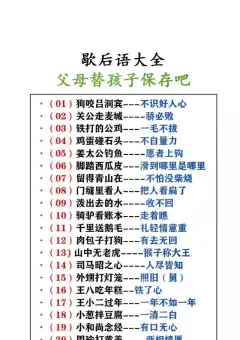
- 歇后语大全请收藏
- 小学语文常考课外知识点总结(可收藏打印)
- 端午节优秀作文精选与知识点总结(家长收藏)
- 三年级小学作文知识点总结收藏资料
- 小学语文词语积累大全(家长收藏)
- 歇后语大全(家长收藏版)
- 歇后语大全(家长收藏版)
- 0-3岁儿童早教启蒙儿歌大全 亲子教育收藏版
- 一年级下册语文期末知识点总结(家长收藏)
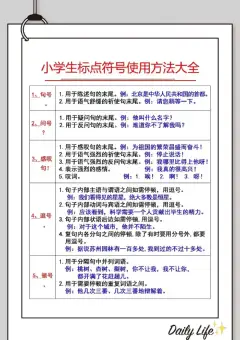
- 学生标点符号使用大全 小学语文收藏
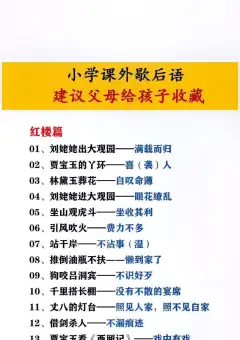
- 小学课外歇后语·文学常识(建议父母给孩子收藏)
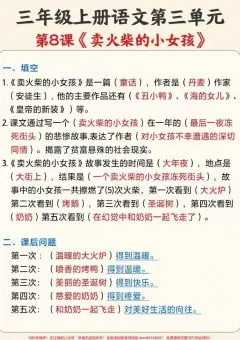
- 三年级上册语文第三单元知识点总结收藏
- 小学语文歇后语大全(家长收藏版)
- 三年级语文常考成语解析(建议收藏)
- 小学成语大全及成语接龙(家长收藏版)
- 小学成语大全 小学语文词语积累家长收藏
- 小学语文必考考点与知识点总结(三年级·家长收藏)
- 一年级上册数学必考知识点大全
- 二年级语文下册词语积累大全(家长收藏)
- 一年级语文拼音练习 题型大全 家长收藏
- 100个初中物理知识点速收藏
- 一年级上册语文第一单元知识点梳理总结(家长收藏打印学习)
- 一年级数学元角分知识点总结必考考点(家长收藏)
- 七上必读《朝花夕拾》阅读指导建议 中小学精品资料高清可打印 初中资料合集
- 三年级下册语文1-8单元词语搭配积累大全(小学语文知识点总结)
- 拼音过关练习
- 这5类标题承包高中三年作文题目建议收藏素材
- 百科知识:50个航天航空小知识建议收藏(中小学精品资料高清可打印,百科知识大全集312份)
- 英语作文“兔”作文怎么写 1-6年级收藏 高中大全集高清资料
- 三年级上册语文全册每课课文中心思想总结大全
- 一年级下册语文1-4单元基础知识点归纳总结大全
- 二年级上册语文期末总复习1-8单元基础知识点汇总大全
- 小学1-6年级数学公式总结大全
- 三年级下册语文特殊成语积累大全知识点总结
- 三年级上册语文必考知识点归纳总结大全
- 三年级数学上册重难点总结家长打印收藏(2025小学全科全年级资料大全集)
- 最新小学1-9年级各科+幼升小+综合类学习资源汇总包(小学英语知识点总结,家长收藏)
- 二年级上册语文期末必考词语积累大全
- 二年级下册语文四字成语及解释知识点总结(家长收藏版)
- 一年级二年级教育知识分享与知识点总结(家长收藏)
- 汉语拼音知识点总结
- 1-6年级必背古诗词 中小学古诗词大全集高清资料
- 三年级下册语文1-8单元课文中心思想总结大全
- 一年级语文词语积累汇总
- 中式纹样大汇总传统文化高清可打印资料
- 四年级上册语文暑假预习开学学霸逆袭秘诀知识点总结作文家长收藏
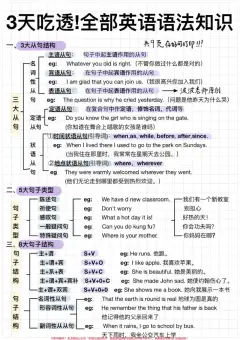
- 小学英语语法大全知识点总结 三天吃透