资讯 / 正文
试卷讲评|七选五精讲|别用完美主义苛责自己
七选五精讲|别用完美主义苛责自己
5 个空,一张"三化一图",带你看懂文章骨架 | 附逐题精讲 + 全文翻译 + 写作金句
第二节(共5小题;每小题2.5分,满分12.5分)
阅读下面短文,从短文后的选项中选出可以填入空白处的最佳选项。选项中有两项为多余选项。
Are people allowed to make mistakes? When others make a mistake, we often look beyond the mistake itself. We consider their intentions, the situations they faced, and whether they expressed regret sincerely. 36 But this willingness to forgive often disappears when we judge our own mistakes. We may ignore those same conditions and judge ourselves by a single strict standard: perfection.
I have seen this pattern in many working women I have met. They feel extra pressure to prove that women deserve(值得) their positions, especially in leadership roles. They believe they must try their best, keep everyone happy, and never mess up. It is often this very drive for perfection that has helped them succeed in school and at work. 37
Perfectionism can be hard to break. 38 Naturally, you may wonder why you should give up a strategy that has carried you this far. To decide, ask yourself: What has perfectionism given me? What has it cost me? How has it influenced the way I see myself and others?
39 If your worth is tied to how well you perform, you may often criticize(批评) yourself: “I’m so silly” or “I should have known better.” This negative self-talk can also shape your expectations of others. For example, you may expect too much from co-workers, friends, or your children.
You may have learned early that you would be loved or accepted only if you behaved in certain ways. If being kind to yourself feels difficult, think about what you want to model for those around you. 40 As Stephen Sondheim wrote, “The choice may have been mistaken; the choosing was not. Keep moving on.” Keep making choices and doing work that makes the world better—even when you are not perfect.
A. Yet such high expectations are difficult to meet.
B. We tend to be more forgiving of others’ mistakes.
C. After all, when it seems to bring success, you trust it more.
D. Sometimes, perfectionism can lead to bad family relationships.
E. It is very important for us to find out why a mistake happened.
F. The way you treat yourself can influence how you treat others.
G. If you admit a mistake and keep going, others may learn to do the same.
这是一篇心理成长类说理文:人们往往宽容他人的错误,却用"完美"这把尺子苛责自己。文章剖析完美主义带来的压力与自我批评,最终呼吁——善待自己,允许不完美地继续前行。
一、三化一图:先见森林,再见树木
骨架:现象—解释—解决(problem → cause → solution)。先摆"对人宽容、对己苛刻"的双标现象,再剖析完美主义的代价,最后给出"善待自己、继续前行"的出路。
三化图(主题词 → 部分名词 → 原文证据)
五段功能
- P1 现象
:提出"宽容他人却苛责自己"的双标,But 转折落到"完美"标准。 - P2 举例
:职业女性的完美主义——既是成功动力也是额外压力。 - P3 追问
:完美主义难打破,三连问引导反思得失。 - P4 后果
:价值绑定表现 → 自我批评 → 抬高对他人的期望。 - P5 出路
:追溯"有条件被爱",提出善待自己、为人示范、继续前行。
二、逐题精讲(5 题)
36 题 · 段中转折前|答案 B
B. We tend to be more forgiving of others' mistakes.(我们往往对他人的错误更宽容。)
线索:后文 this willingness to forgive(这种宽恕的意愿)是代词回指,前文必须先出现 forgive——七个选项只有 B 含 forgiving of others' mistakes,恰好构成"对他人宽容 ↔ 对自己苛刻(But 后)"的对比。
排除 E:find out why a mistake happened 与本段"真诚悔意、宽恕意愿"主题不符,也无法被回指。
37 题 · 段末承上启下|答案 C
C. After all, when it seems to bring success, you trust it more.(毕竟,当它似乎能带来成功时,你会更加信任它。)
线索:前句 this very drive for perfection that has helped them succeed 与 C 的 bring success 同义复现;后段首"完美主义难打破"恰由 C 的 you trust it more(越成功越信赖)解释"为何难打破"。After all 表补充说明,语气顺承。
38 题 · 段中让步转折|答案 A
A. Yet such high expectations are difficult to meet.(然而,如此高的期望难以达到。)
线索:such high expectations 回指前文 perfectionism/完美标准,Yet 表转折让步——"难打破,但期望又难满足",自然引出后句"为何不放弃这个策略"。严丝合缝。
排除 D:把"高期望"具体化为"家庭关系",属无中生有(本文谈自我期待,非家庭关系)。
39 题 · 段首主题句|答案 F
F. The way you treat yourself can influence how you treat others.(你对待自己的方式会影响你对待他人的方式。)
线索:本段两层——① criticize yourself(如何对待自己)② shape your expectations of others(如何影响他人),F 精准概括,是标准总分结构主题句;段末"对同事、朋友、孩子期望过高"正是对"treat others"的举例。
40 题 · 段中例证衔接|答案 G
G. If you admit a mistake and keep going, others may learn to do the same.(如果你承认错误并继续前行,别人也可能学着这样做。)
线索:前句 what you want to model for those around you(树立榜样)→ G 的 others may learn to do the same 是 model 的同义承接;后句引用 Keep moving on 与 G 的 keep going 同词复现,且 The choice may have been mistaken 呼应 admit a mistake。三线合一。
干扰项归纳
三、长难句拆解(3 句)
s01 · 三并列宾语 + 定语从句 + 宾语从句
主干:We consider A, B, and C(三个并列宾语)
修饰:B = the situations (that) they faced(省略关系代词);C = whether 引导宾语从句
译文:我们会考虑他们的意图、他们所处的境况,以及他们是否真诚地表达了悔意。
s02 · 强调句(37 题关键)
结构:It is ... that ... 强调句;very 为形容词"正是那个",强调名词
译文:往往正是这种对完美的追求,帮助她们在学业和工作中取得了成功。
s03 · 条件句 + should have done(39 题所在)
主干:you may often criticize yourself
修饰:If 条件状语从句;how well you perform 为宾语从句;should have done 表"本该……"
译文:如果你的价值与表现挂钩,你可能常常批评自己:"我太傻了"或"我本该更清楚"。
四、重点词汇与熟词生义
五、全文还原译文
第一段:人可以被允许犯错吗?当别人犯错时,我们常常越过错误本身去看。我们会考虑他们的意图、他们所处的境况,以及他们是否真诚地表达了悔意。(36·我们往往对他人的错误更宽容。)但当我们评判自己的错误时,这种宽恕的意愿往往就消失了。我们可能忽略那些同样的条件,用唯一一把严苛的尺子——完美——来评判自己。
第二段:在我遇到的许多职业女性身上,我见过这种模式。她们承受着额外的压力,要证明女性配得上自己的职位,尤其是在领导岗位上。她们认为自己必须全力以赴、让所有人都满意、绝不能搞砸。往往正是这种对完美的追求,帮助她们在学业和工作中取得了成功。(37·毕竟,当它似乎能带来成功时,你会更加信任它。)
第三段:完美主义很难打破。(38·然而,如此高的期望难以达到。)你自然想知道,为什么要放弃这个一路支撑你走到现在的策略。要作决定,不妨问问自己:完美主义给了我什么?它让我付出了什么代价?它如何影响我看待自己和他人的方式?
第四段:(39·你对待自己的方式会影响你对待他人的方式。)如果你的价值与表现挂钩,你可能常常批评自己:"我太傻了"或"我本该更清楚"。这种消极的自我对话也会影响你对他人的期望。比如,你可能对同事、朋友或孩子期望过高。
第五段:你可能很早就认识到,只有以某种方式行事,才会被爱或被接纳。如果善待自己对你来说很难,那就想想你想为身边的人树立怎样的榜样。(40·如果你承认错误并继续前行,别人也可能学着这样做。)正如斯蒂芬·桑德海姆所写:"选择或许错了,但作出选择本身没有错。继续前行。"坚持作出选择,坚持做让世界更美好的事——即便你并不完美。
六、写作迁移:可直接背诵
① It is this very attitude that has carried me through the toughest time.(强调句·人物成长)
模板:It is this very ... that has helped ...
② The way you face failure can shape how you embrace life.(观点类作文首句)
模板:The way you ... can influence / shape how you ...
③ The choice may have been mistaken; the choosing was not. Keep moving on.(读后续写结尾升华)
④ Keep doing what is right — even when you are not perfect.(议论文让步收尾)
七、答案速查
答案速记:B C A F G
— 本文解析、译文均基于原文,答案系独立作答所得,如有出入欢迎指正 —
相关文档
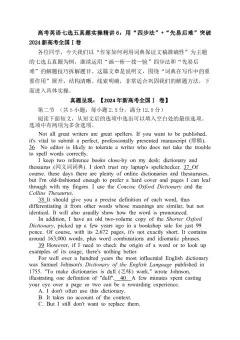
- 2026年英语高考精讲近五年高考英语七选五及考情分析:七选五真题实操精讲6 用“四步法”+“先易后难”
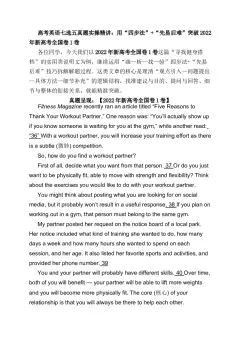
- 2026年高考英语专项复习精讲:近五年高考英语七选五及考情分析之七选五真题实操精讲14——用“四步法”+“先易后难”
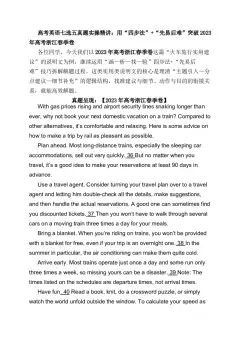
- 2026年高考英语专项复习精讲:近五年高考英语七选五及考情分析之七选五真题实操精讲13——用“四步法”+“先易后难”
- 考点31阅读七选五-段尾设空题(核心考点精讲精练)
- 考点31阅读七选五-段尾设空题(核心考点精讲精练)
- 考点30阅读七选五-段中设空题(核心考点精讲精练)
- 考点30阅读七选五-段中设空题(核心考点精讲精练)
- 考点29阅读七选五-段首设空题(核心考点精讲精练)
- 2025年高考英语一轮复习精讲精练:专题02七选五
- 2024高考英语一轮复习七选五精讲精炼解析版新高考通用
- 2026年高考英语七选五真题实操精讲9:四步法+先易后难(近五年高考英语七选五及考情分析)
- 2026年高考英语七选五真题实操精讲8:四步法+先易后难(近五年高考英语七选五及考情分析)
- 2026年高考英语七选五真题实操精讲7:四步法+先易后难(近五年高考英语七选五及考情分析)
- 高考英语七选五真题实操精讲5:四步法与先易后难(近五年真题及考情分析)
- 高考英语七选五真题实操精讲4:四步法与先易后难(近五年真题及考情分析)
- 2026年高考英语七选五真题实操精讲3:四步法+先易后难(近五年七选五及考情分析·一二三轮复习)
- 2026年高考英语七选五真题实操精讲2:四步法+先易后难(近五年七选五及考情分析·一二三轮复习)
- 2026高考英语专项复习:七选五真题实操精讲15——用“四步法”+“先易后难”(近五年高考七选五及考情分析)
- 2026年高考英语专项复习 近五年高考英语七选五及考情分析 真题实操精讲12 四步法与先易后难
- 2026年高考英语专项复习 近五年高考英语七选五及考情分析 真题实操精讲10 四步法与先易后难
- 2026届高考英语七选五真题实操精讲16四步法与先易后难讲义
- 2024高考英语高频考点题型归纳第18讲七选五精讲精炼原卷版新高考通用
- 七选五
- 第09讲阅读补全(七选五)(练习)(解析版)
- 期末试卷讲评
- 期中试卷讲评
- 高考英语七选五高效解题策略真题实操 四步法与先易后难 近五年高考七选五及考情分析
- 第09讲阅读补全(七选五)(练习)(原卷版)
- 2025年高考英语一轮复习阅读理解与完形填空精讲精练:七选五阅读之段首句
- 2024年高考英语一轮复习阅读理解与完形填空精讲精练:七选五阅读之段首句
- 2025年高考英语一轮复习阅读理解与完形填空精讲精练:七选五阅读之段中句(知识点PPT+精讲精练)
- 期中试卷讲评(下)
- 期中试卷讲评(上)
- 期中试卷讲评-期中试卷
- 2025年高考英语一轮复习考点精讲精练 新高考通用 考点30阅读七选五-段中设空题核心考点精讲精练 学生版
- 2025年高考英语一轮复习考点精讲精练(新高考通用)考点29阅读七选五段首设空题核心考点精讲精练(学生版)
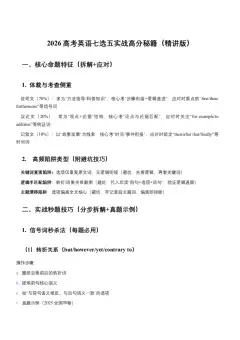
- 2026年高考英语七选五实战高分秘籍精讲版(阅读理解突破策略及押题·一二三轮复习)
- 2026版5·3A山东版选考历史精讲册第七单元中国成立与新民主主义革命的胜利(教师用书)
- 2025年高考英语一轮复习考点精讲精练(新高考通用)考点31阅读七选五段尾设空题核心考点精讲精练教师版
- 2025年高考英语一轮复习考点精讲精练(新高考通用)考点29阅读七选五段首设空题核心考点精讲精练教师版
- 期末试卷讲评同步练习
- 期中试卷讲评同步练习
- 2026版高考一英必刷100讲七选五全文翻译
- 期中试卷讲评-期中试卷解析
- 2023高考英语一轮复习讲练测阅读理解七选五讲教案
- 初中英语解题方法速通第3册:七选五、六选五、五选四20招
- 2024年高考英语一轮复习阅读理解与完形填空:七选五阅读之段中句精讲精练(全国通用)
- 2026年高考英语一轮复习考点精讲精练 新高考通用 考点7阅读七选五记叙文(学生版)
- 练习25 阅读理解+七选五
- 练习23 七选五+完形填空